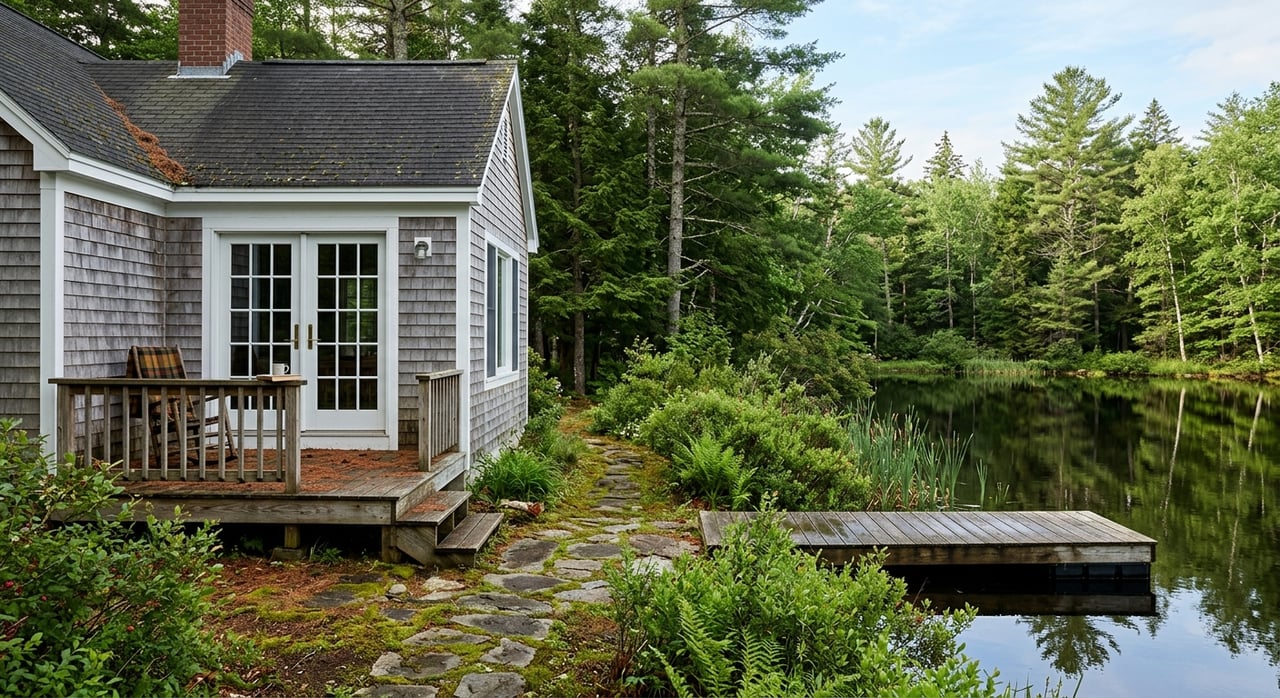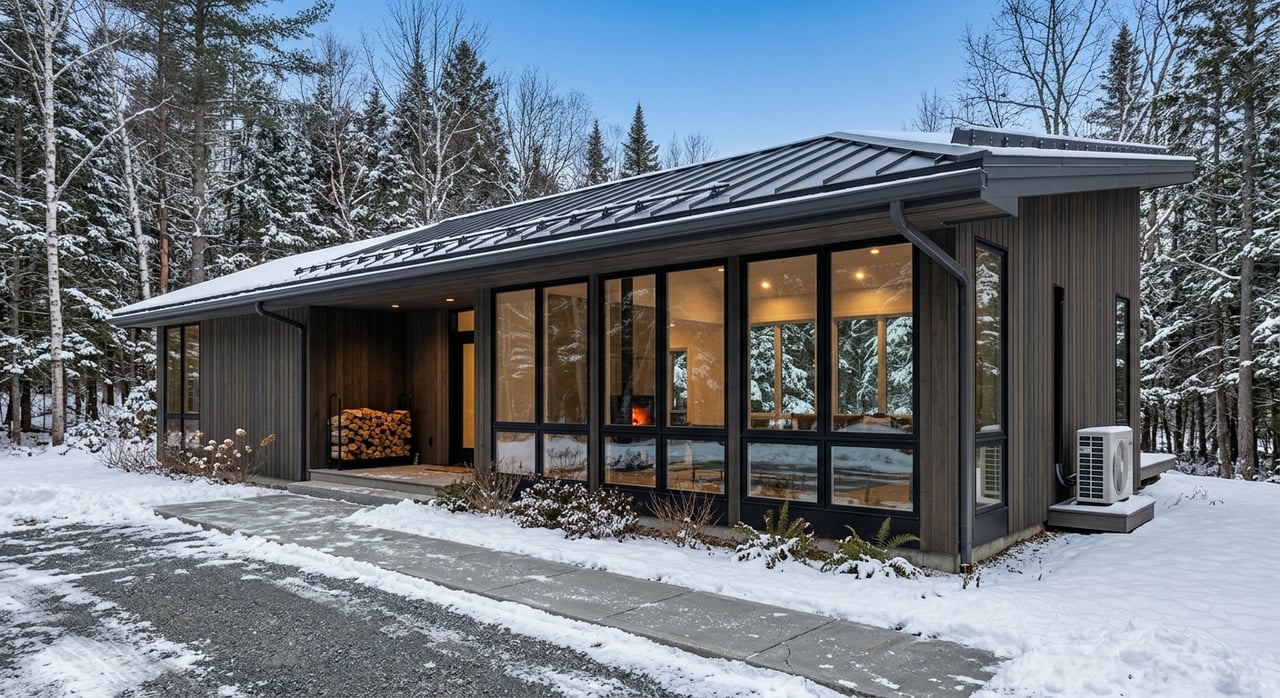
If you’re thinking about living in Lincolnville full time, the big question is not just can you live here year-round. It’s whether the specific home you buy is set up to handle real Midcoast Maine living in every season. From winter road access to heating, drainage, and septic maintenance, a smart purchase starts with knowing what daily life actually looks like. Let’s dive in.
What Year-Round Living Means
Lincolnville is a small coastal town on Penobscot Bay with beaches, lakes, ponds, mountains, and trails, and the town reports a population of 2,312 residents. For many buyers, that mix of coastal scenery and rural character is exactly the appeal.
At the same time, Lincolnville has long had a mix of full-time and seasonal housing. The town’s comprehensive plan found that about 27% of the housing stock was seasonal, with many of those homes concentrated near shorefront and pondfront areas.
That matters because a home that works well for summer or occasional use may need a closer look before it serves you well as a primary residence. In Lincolnville, year-round living is often less about location alone and more about whether the house has been built, updated, and maintained for steady use.
Housing Types You’ll See
Most of Lincolnville’s housing stock is single-family, with some mobile homes and very little multifamily housing, according to the town’s comprehensive plan. If you are moving here full time, that usually means your search will center on detached homes rather than condos or larger apartment-style options.
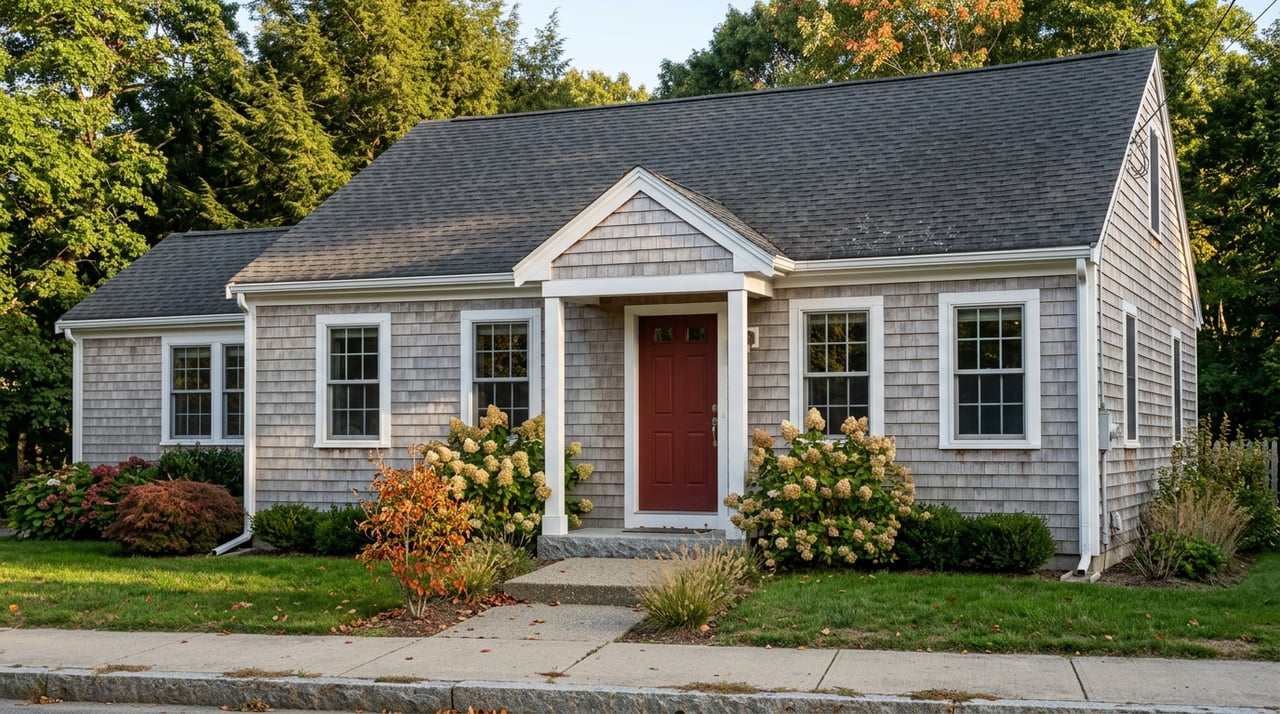
You may also find older homes with a lot of character. The same plan notes that older properties often need more repair, maintenance, and energy-efficiency upgrades, which is important to factor into your budget and inspection strategy.
Current town planning also supports reasonably priced housing that fits Lincolnville’s rural character, with an emphasis on village-centered development and restoration of older homes, as noted in the 2024 town report. For you as a buyer, that reinforces the value of looking carefully at how a home functions now, not just how it looks in listing photos.
Road Access Matters in Winter
One of the most practical questions you can ask in Lincolnville is simple: How do you get to the house in January? The town’s Public Facilities Director maintains town roads and properties, and Lincolnville still has about 8 miles of gravel roads.
The town’s 2024 annual report says winter storms, tree clearing, ditching, and gravel-road grading remain routine concerns. It also notes that winter plowing can be challenging as the town balances resident safety with potential damage to town property, and that ditch clearing continued through winter after storm impacts to roads and other public areas.
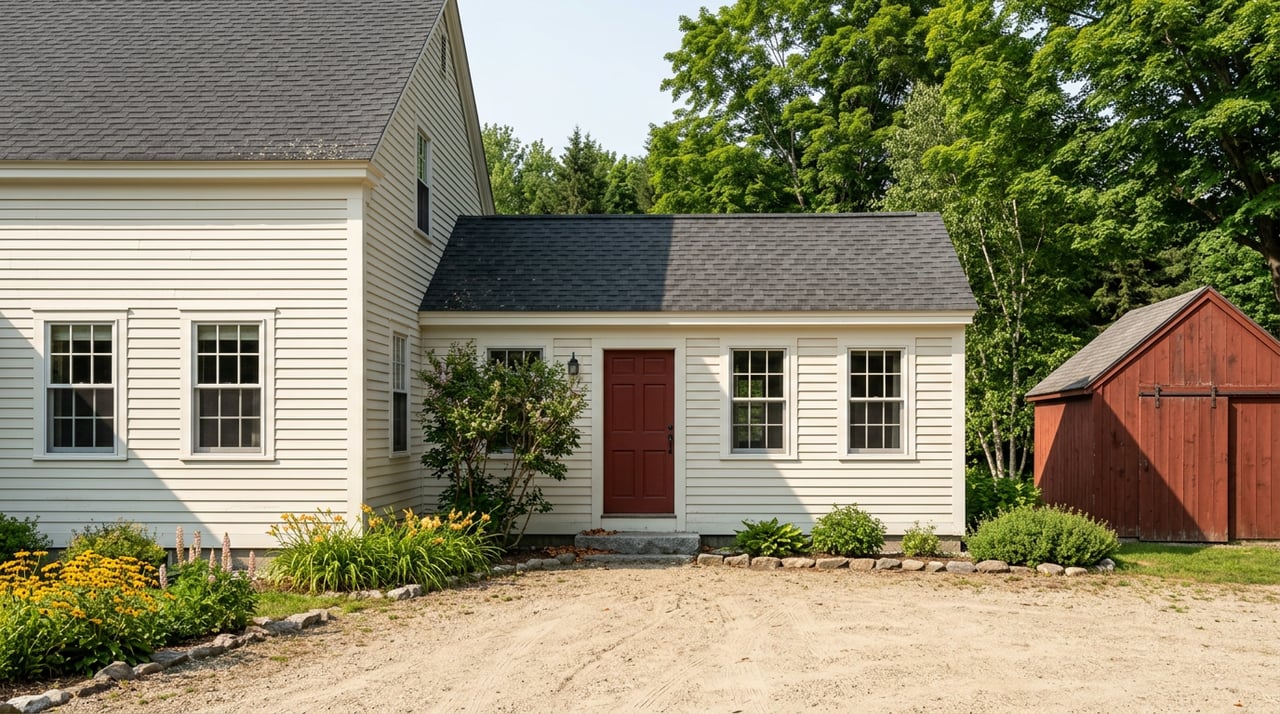
For a full-time buyer, this means road maintenance should be part of your due diligence. If a property is on or near a gravel road, it is worth confirming who maintains the road, how plowing is handled, and whether access tends to change with winter conditions.
Route 1 is also a major daily access corridor through town, and MaineDOT is planning Route 1 safety and spot improvements in Lincolnville. That makes road position and commuting patterns worth thinking through if you expect to travel regularly to nearby towns.
Four-Season Home Features to Prioritize
In Lincolnville, a good year-round house is usually one that has dependable systems and a site that handles weather well. Nearby Midcoast climate patterns from UMaine’s Belfast snowfall normals show snowfall concentrated from late fall through spring, with the heaviest months in January and February.
Maine’s Climate Plan for the central zone also notes shorter winters, longer summers, and an increase in intense downpours. Heavier rain can affect roads, culverts, bridges, drinking-water systems, and waste systems, so buyers should think beyond snow alone.
When you tour homes, pay close attention to:
- Heating system reliability
- Insulation and weather sealing
- Basement or crawl space moisture
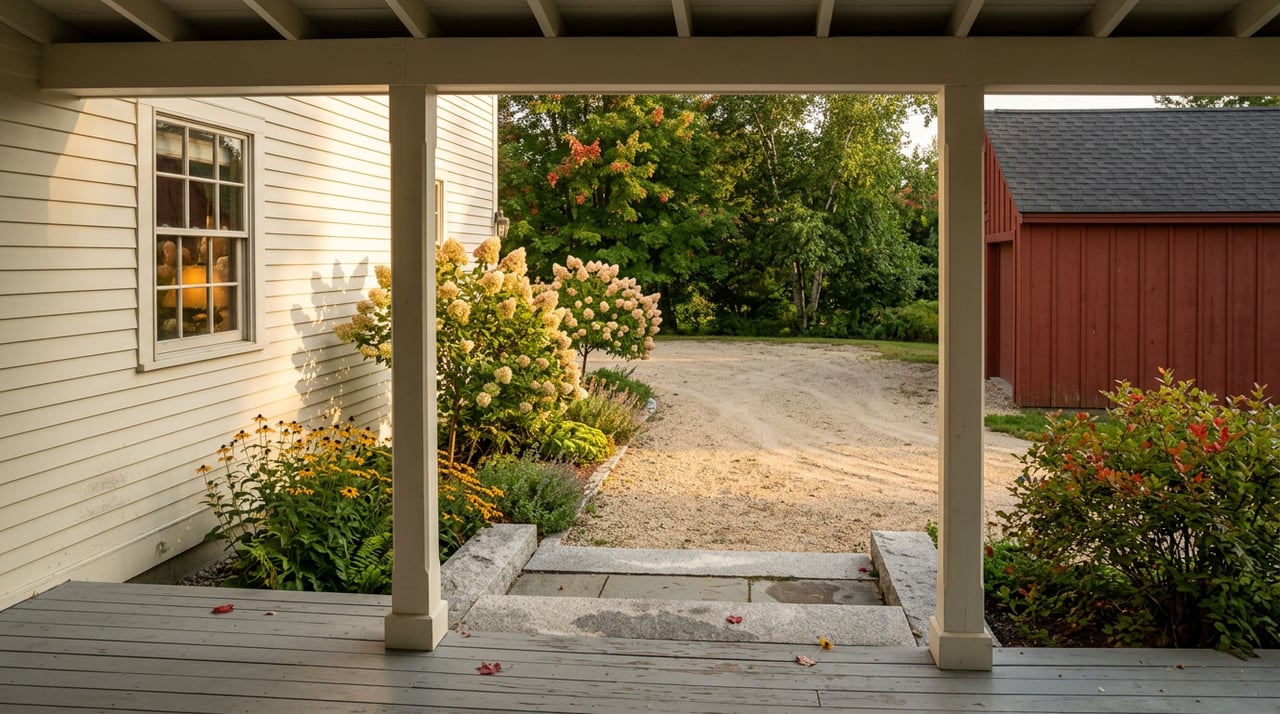
- Site drainage and grading
- Roof condition and runoff management
- Window condition and energy performance
- Septic age, condition, and service history
These details can have a major impact on comfort, maintenance costs, and peace of mind once you are living in the home full time.
Septic and Utility Questions to Ask
Lincolnville’s guidance for residents says year-round residences should expect septic tanks to be pumped every 2 to 3 years. That makes septic condition an especially important part of evaluating a property.
If a home has been used seasonally, you will want to understand whether the system has been maintained consistently and whether the house has been winterized, occupied, or heated on a regular basis. A year-round home should feel ready for continuous use, not just occasional weekends.
The 2024 annual report also frames local infrastructure around year-round, seasonal, and remote work, including high-speed internet and climate resilience. If you work from home, ask specific questions about internet service at the property instead of assuming coverage or speed based on location alone.
Daily Services and Local Infrastructure
Living in Lincolnville year-round also means getting familiar with the services that support daily life. For emergencies, the town directs police, ambulance, and fire emergencies to 911, while non-emergency police and fire calls go through Waldo County dispatch. The fire department is volunteer-supported, and EMS is provided by Northeast Mobile Health Services.
For waste and recycling, Lincolnville participates in Mid-Coast Solid Waste Corporation, with the transfer station located in Rockport and open Tuesday through Saturday. That is the kind of small but useful routine detail that can shape how you settle into year-round life.
Regional health care access includes MaineHealth Pen Bay Hospital in Rockport and MaineHealth Waldo Hospital in Belfast. Depending on where you buy in town, you may find yourself using both the Camden-Rockport and Belfast corridors for day-to-day needs.
Schools and Community Resources
If you are moving with school-aged children or simply want a clearer picture of town services, Lincolnville has Lincolnville Central School, while the Five Town CSD serves grades 9 through 12 for Lincolnville and neighboring communities. As with any move, it helps to confirm current enrollment and district details directly with the school system.
The Lincolnville Community Library is another meaningful year-round resource. The town reports it circulated more than 2,000 books, hosted 150 programs and meetings, and welcomed 87 new patrons in 2023, which gives you a sense of its role in everyday community life.
These details may seem small compared with square footage or acreage, but they often shape how connected and supported you feel once you live here full time.
Seasonal Areas Need Extra Review
Lincolnville’s beach and ferry area has a noticeable seasonal rhythm. The Lincolnville Ferry Terminal schedule and parking structure change between summer and fall-winter operations, which reflects how activity levels shift through the year.
That does not make those areas any less appealing. It simply means buyers should evaluate them through a year-round lens. If you are considering a shorefront, pondfront, or traditionally seasonal property, ask whether access, utilities, heating, and maintenance match your full-time living plans.
A beautiful location is only part of the equation. The better question is whether the house supports the life you want in February, April mud season, and November rain, not just in July.
A Smart Buyer Checklist
Before you buy a year-round home in Lincolnville, focus on the practical points that affect daily life most:
- Confirm whether the home has been used full time or seasonally
- Ask who maintains the access road and how winter plowing works
- Review heating, insulation, and weatherization details
- Investigate drainage, runoff, and stormwater patterns on site
- Check septic age, pumping history, and service records
- Verify internet availability and performance if remote work matters
- Consider your regular routes to Route 1, Rockport, Camden, or Belfast
- Look at the home through all-season use, not peak-season charm alone
This kind of due diligence can help you avoid surprises and buy with much more confidence.
Why Local Guidance Helps
Lincolnville offers a lot to love for year-round living, but it rewards buyers who look closely at the details. Homes here can vary widely in age, setting, road access, and level of seasonal versus full-time readiness.
That is where local knowledge really matters. If you want help sorting through which properties are most likely to work well as a primary residence, The Uhll Group at Legacy Properties Sotheby's International Realty can help you evaluate homes with a practical, boots-on-the-ground understanding of Midcoast Maine living.
FAQs
What does year-round living in Lincolnville, ME really require?
- A home that is ready for steady four-season use, with dependable heat, solid insulation, good drainage, workable winter access, and a well-maintained septic system.
Are many homes in Lincolnville, ME seasonal properties?
- Yes. Lincolnville’s comprehensive plan found that about 27% of the housing stock was seasonal, with many seasonal homes concentrated near shorefront and pondfront areas.
What road issues should buyers watch in Lincolnville, ME?
- You should confirm whether the home is on a paved or gravel road, who maintains the access road, and how winter plowing and storm-related upkeep are handled.
How often should a septic system be pumped for a year-round home in Lincolnville, ME?
- Lincolnville’s guidance says year-round residences should expect septic tanks to be pumped every 2 to 3 years.
What services support full-time living in Lincolnville, ME?
- Key services include emergency response through 911 and Waldo County dispatch, regional hospital access in Rockport and Belfast, the transfer station in Rockport, local school options, and the Lincolnville Community Library.
Is Lincolnville, ME a good fit for remote work?
- The town’s 2024 annual report references high-speed internet as part of local infrastructure planning, but you should verify actual service availability and speed for any specific property.