Wondering if Camden, Maine is a summer postcard town or a place you can truly call home in every season? If you are thinking about relocating, buying a second home with more flexibility, or simply trying to picture daily life beyond peak tourist months, that question matters. The good news is that Camden functions as a real year-round community, with active town services, regional schools, local institutions, and four distinct seasons that shape how people live here. Let’s take a closer look.
Camden Is More Than a Summer Town
Camden has a strong seasonal identity, but it is not a one-season resort. The town’s comprehensive plan describes a community shaped by both permanent residents and a substantial seasonal population, with 516 seasonal-use housing units out of 3,225 total units in 2014.
That balance helps explain Camden’s rhythm. Summer brings more visitors and activity, while the off-season feels quieter and more local. At the same time, the town continues to function as a working, lived-in community, with about 46.7% of residents working within Camden according to the town plan.
For you as a buyer, that distinction matters. A year-round town usually offers more continuity in daily life, from municipal services to community spaces, than a destination that largely powers down after Labor Day.
What Living in Camden Feels Like by Season
Camden’s appeal is closely tied to the fact that each season feels different. If you are considering full-time living, it helps to understand not just the scenic side, but the practical side too.
Winter in Camden
Winter is real here. NOAA normals for the nearby W Rockport station show average January highs around 30.3°F and lows near 12.0°F, while February averages 32.5°F and 13.6°F.
Snow is also part of the picture. Annual snowfall averages 68.7 inches, with the heaviest snow season running from December through March. If you plan to live here year-round, snow removal, winter driving, and home maintenance are simply part of the routine.
That said, winter is not a dead season. Camden Hills State Park remains open year-round and offers hiking, snowshoeing, cross-country skiing, and winter camping, while Mount Battie Road is plowed for walking in winter.
Spring in Camden
Spring can feel like a slow handoff rather than a sudden shift. March averages 39.6°F for highs and 22.2°F for lows, with 11.3 inches of snowfall, while April still averages 3.5 inches of snowfall even as temperatures rise to 51.4°F and 33.6°F.
In practical terms, that means spring often brings mixed conditions. You may see warmer afternoons, lingering snow, wet roads, and changeable weather all in the same stretch of weeks. For many buyers moving from warmer regions, this is one of the biggest adjustments to year-round life in Midcoast Maine.
Summer in Camden
Summer is one reason people fall in love with Camden. July averages 76.7°F and 59.6°F, and August averages 76.3°F and 59.2°F, which gives you a warm but still coastal Maine summer.
It is comfortable rather than long and intensely hot. This is also when Camden’s seasonal overlay becomes most visible, with more visitors, more activity around town, and a busier village core.
If you enjoy energy, events, and waterfront activity, summer can feel vibrant. If you prefer a quieter pace, it helps to know that the same central areas may feel quite different in July than they do in January.
Fall in Camden
Fall is one of Camden’s most changeable seasons. October averages 57.2°F and 40.9°F, while November drops to 46.7°F and 31.1°F.
That quick cool-down shapes daily life more than many first-time buyers expect. The shoulder season can feel beautiful and active one week, then brisk and transitional the next. For year-round residents, fall often marks the return to a more local pace after the busier summer season.
Year-Round Services and Community Life
A town feels livable year-round when its public and civic systems stay active, and Camden offers several signs of that stability. The town operates with a Select Board and Town Manager structure, and the comprehensive plan notes municipal responsibility for streets, sidewalks, drainage, snow removal, wastewater, harbor operations, parks and recreation, and the Opera House.
That municipal setup matters more than it may seem at first glance. It signals that Camden is organized to support everyday life through all four seasons, not just peak visitor months.
The Camden Public Library is another strong example of year-round community infrastructure. It is open seven days a week, includes evening hours on Tuesday and Thursday, and serves as a consistent civic anchor for residents.
For many buyers, this is part of what makes Camden feel grounded. In a town with seasonal traffic and tourism, places that remain active all year help create continuity and connection.
Schools and Family Logistics
If you are moving with children, it is important to understand that the public school system is regional rather than limited to Camden alone. Camden Rockport Middle School serves grades 5 through 8 in Camden, Camden Rockport Elementary School is located in Rockport, and Camden Hills Regional High School in Rockport serves about 750 students from Camden, Rockport, Hope, Appleton, and Lincolnville.
That regional structure can shape your routine. Your mailing address may be Camden, but day-to-day school logistics may involve nearby towns as part of normal life.
For some households, that is a helpful reminder that living in Camden often means living within the broader Midcoast network. The town has a strong identity, but daily life can extend naturally into neighboring communities.
Housing Looks Different Depending on Where You Search
One of the most useful things to know about year-round living in Camden is that there is no single housing experience. The town’s housing stock leans older and more traditional, with 3,168 housing units counted in the 2010 Census figures cited by the town plan, including 2,625 year-round units and 543 seasonal-use homes.
Among year-round units, 79.4% were single-family homes, 18.1% were multi-family homes, and 2.5% were mobile homes. That mix points to a market where detached homes dominate, but where housing types and settings still vary.
Village and Harbor Areas
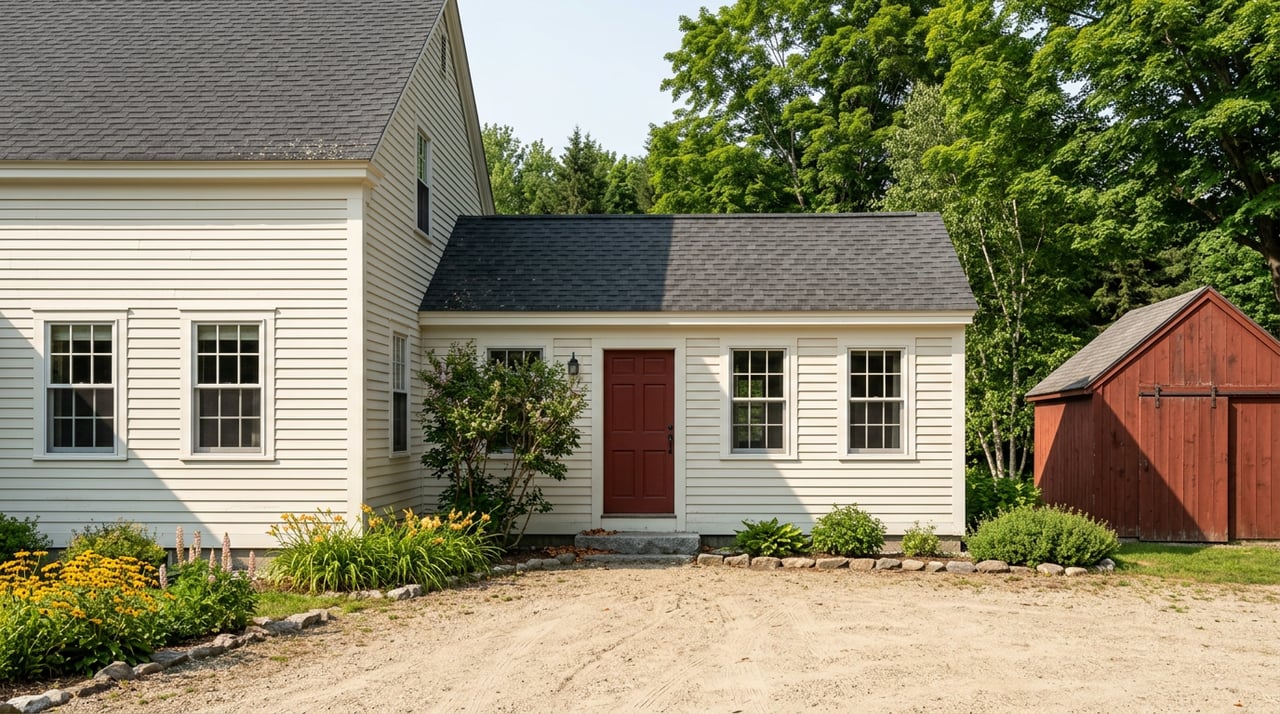
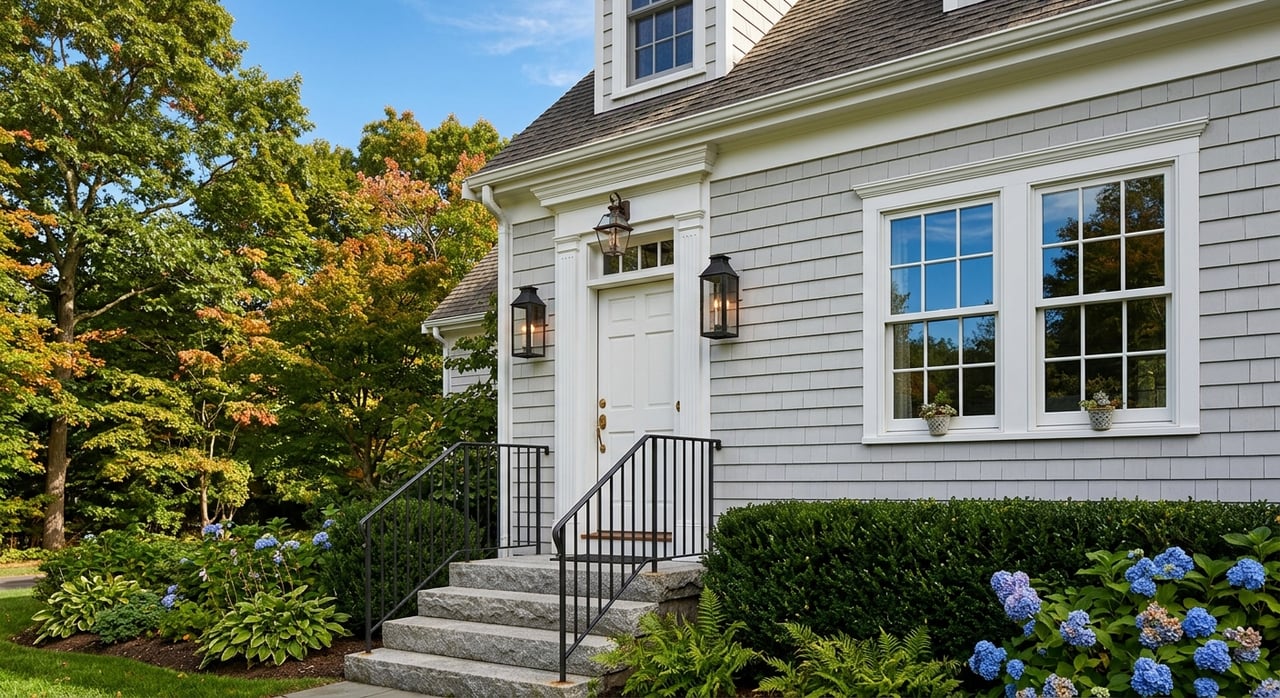
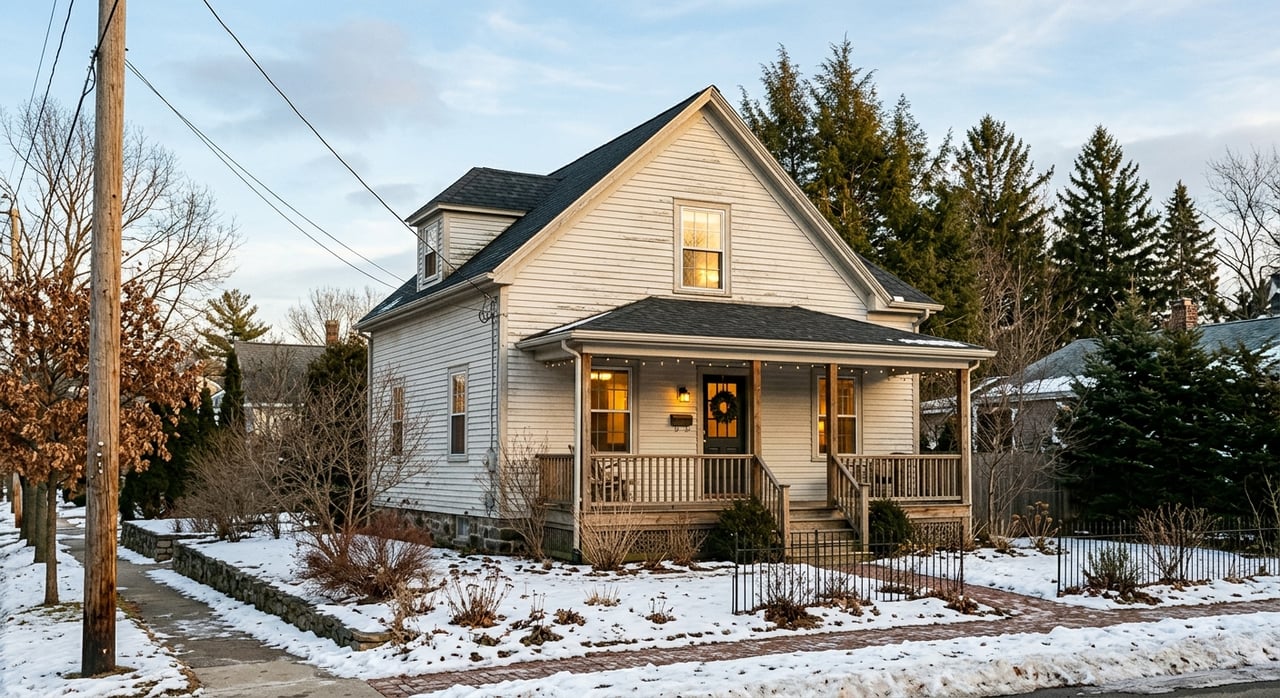
In and around the village core, the built environment is especially historic. The Camden Great Fire Historic District near Camden Harbor preserves a dense late-19th-century commercial streetscape, while nearby High Street and Chestnut Street include many historic houses and summer cottages.
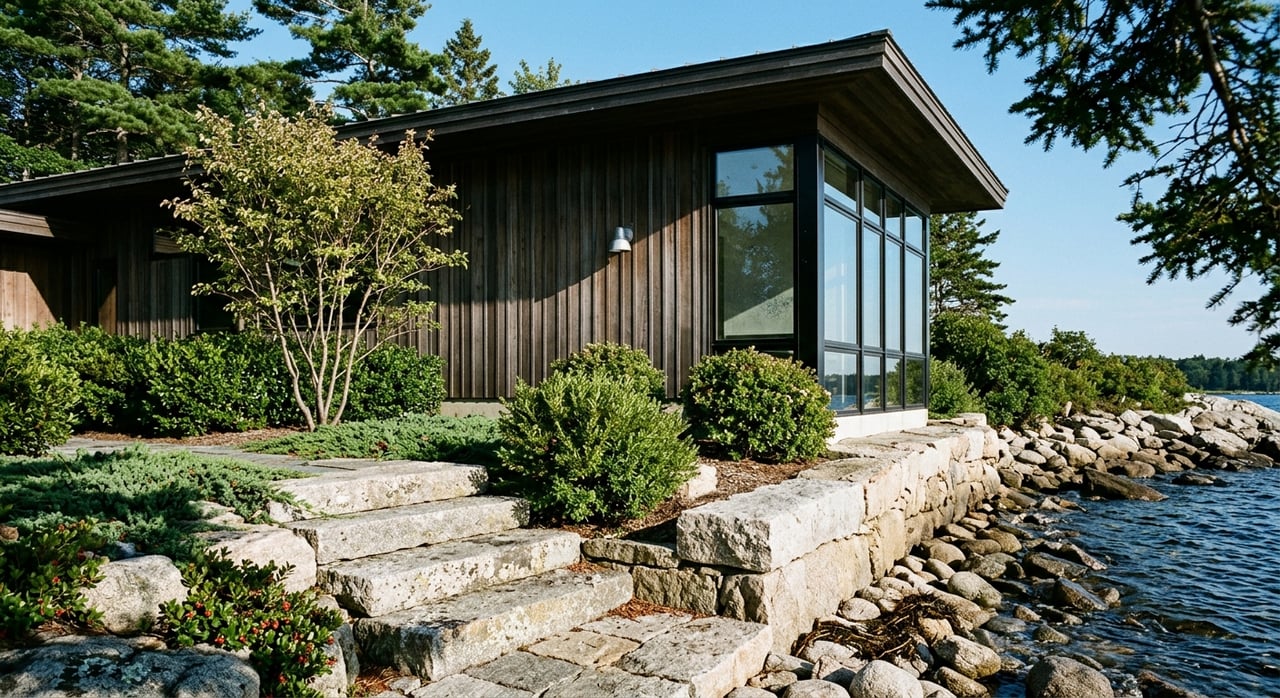
The town plan also describes a mix of single-family homes, townhouses, inns, hotels, and waterfront homes in the village core. If you are drawn to walkable, in-town living with historic character, this area may feel very different from the more wooded parts of town.
Quieter Residential Settings
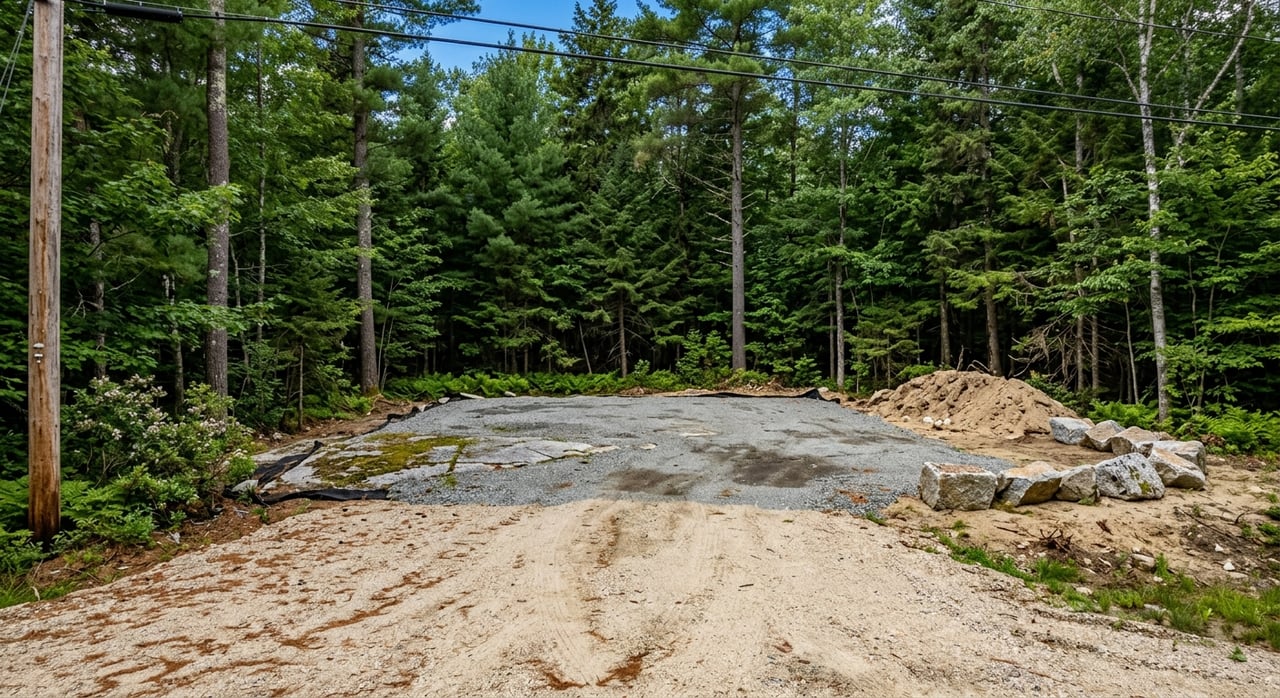
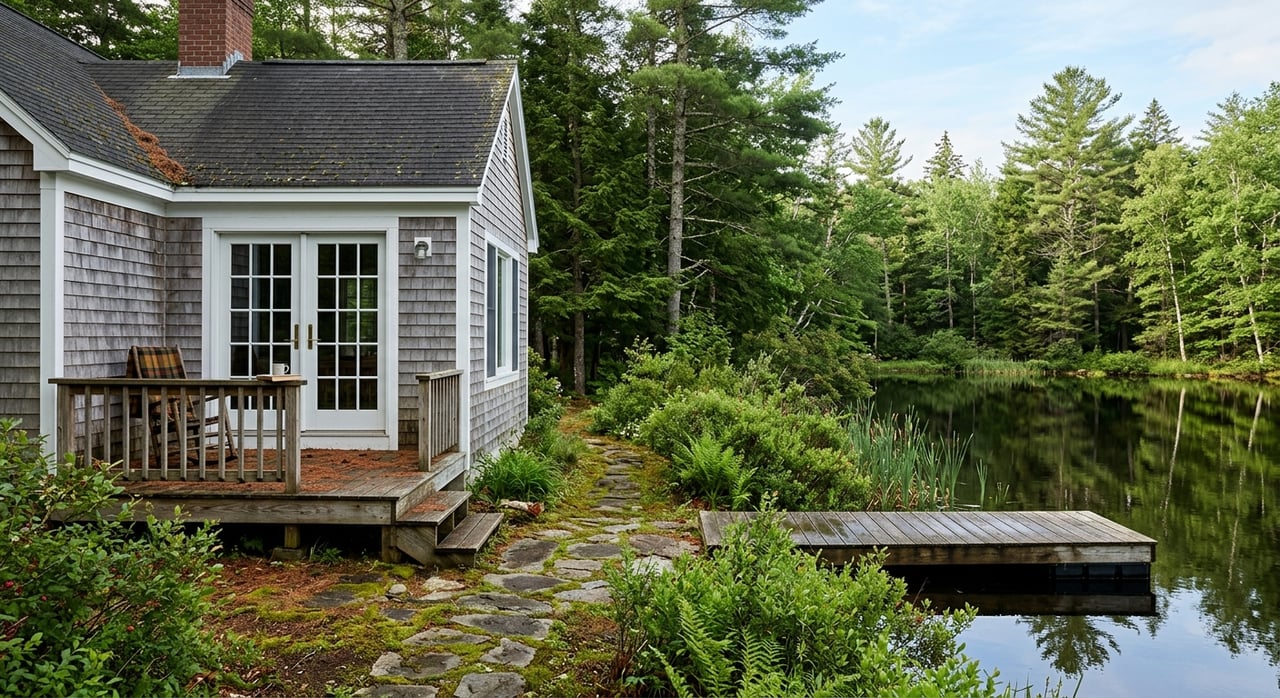
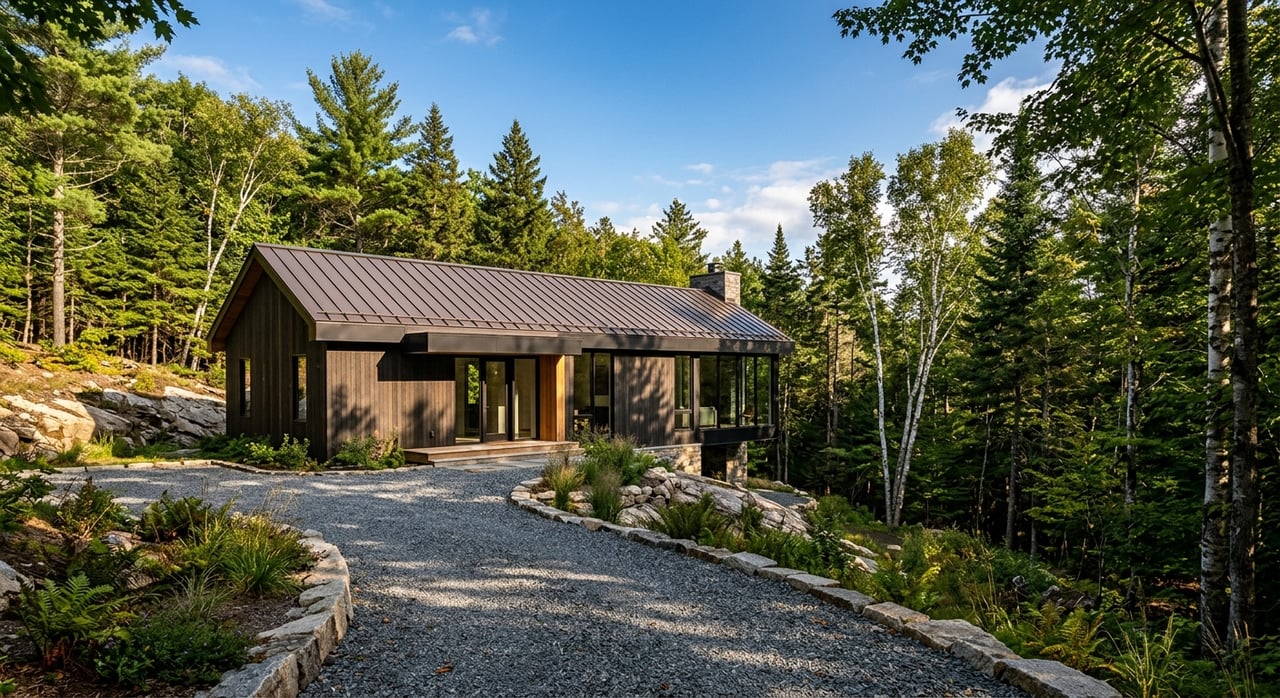
Away from the harbor, the character changes. Areas near Cobb Road, Washington Street, and Mountain Street are described in the town plan as more wooded or rural in appearance, with a mix that includes single-family homes, some mobile homes, and some water-access areas.
For buyers, that means Camden is really several submarkets rather than one. You can find compact village settings, harbor-adjacent homes, and quieter road-front or hillside locations, each with a different feel in daily life.
What Year-Round Buyers Should Consider
Camden can be a great fit if you want a scenic coastal town that remains active in all four seasons. But full-time living here also means thinking honestly about trade-offs, not just postcard views.
A few practical questions can help clarify your fit:
- Do you want to be close to the village core, even if that means more seasonal activity?
- Would you rather have a quieter, more wooded setting farther from the harbor?
- Are you comfortable with winter snow, cold temperatures, and seasonal home maintenance?
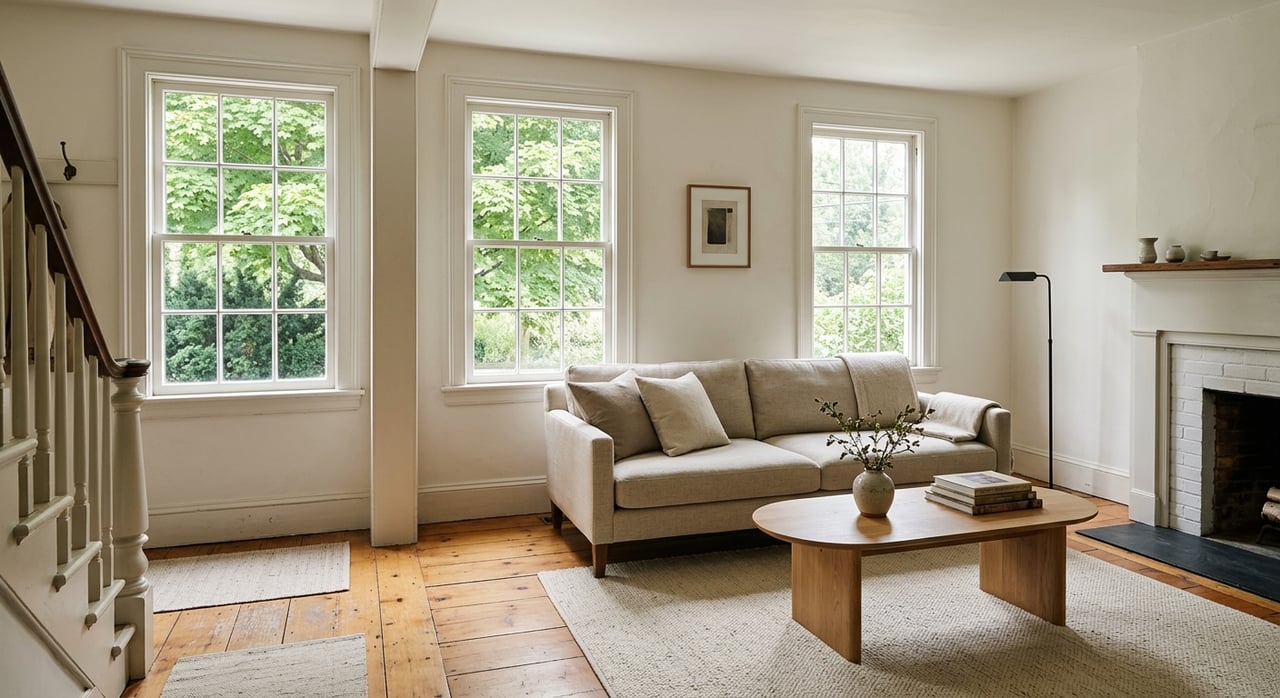
- Do you enjoy older homes and historic character, or do you prefer something with a more updated feel?
- Will your routine depend on access to nearby Midcoast towns as well as Camden itself?
These are the kinds of questions that shape a smart Camden home search. In this market, location, housing style, and year-round usability often matter just as much as square footage.
Why Camden Appeals to Relocators
For many relocators, Camden offers a rare combination. It has the scenery and seasonal charm people associate with coastal Maine, but it also has the public life, institutions, and municipal structure of a town that keeps going all year.
That does not mean every property or every part of town will fit the same lifestyle. Some buyers want village access and historic detail. Others want more privacy, a lower-maintenance setup, or room to take on renovations over time.
This is where local guidance becomes especially useful. In a place like Camden, understanding how different areas function through winter, shoulder seasons, and summer traffic can make your decision much clearer.
If you are exploring year-round living in Camden or comparing neighborhoods across Midcoast Maine, The Uhll Group at Legacy Properties Sotheby's International Realty can help you evaluate not just the home, but how the property fits the life you want to build here.
FAQs
Is Camden, Maine a good place for year-round living?
- Camden functions as a year-round town with permanent residents, active municipal services, civic institutions, and a regional school system, even though it also has a strong seasonal population and busier summer months.
What is winter like in Camden, Maine for full-time residents?
- Winter in Camden is cold and snowy, with average January highs around 30.3°F, lows near 12.0°F, and average annual snowfall of 68.7 inches, so snow removal and winter maintenance are part of everyday life.
Does Camden, Maine stay active outside summer?
- Yes. Camden’s town services operate year-round, the public library remains active throughout the week, and Camden Hills State Park is open all year for recreation including winter activities.
What kinds of homes are common in Camden, Maine?
- Camden’s year-round housing stock is mostly single-family homes, with additional multi-family and mobile homes, and the town includes historic village homes, harbor-adjacent properties, and more wooded or rural residential settings.
Are Camden schools located only in Camden, Maine?
- No. Public schooling is regional, with schools serving Camden residents located in both Camden and nearby Rockport as part of the Five Town community structure.
What should buyers know before moving to Camden, Maine full time?
- Buyers should plan for four-season weather, including snow and mixed spring conditions, and should also think carefully about whether they want village proximity, a quieter setting, historic housing character, or easier year-round maintenance.