Wondering whether a home’s “renovation potential” actually adds value in Knox County? You are not alone. In Midcoast Maine, buyers and sellers often look at older homes, unfinished spaces, and coastal lots and ask the same question: is the upside real, or does it come with more cost and complexity than expected? The good news is that renovation potential can support value, but only when you separate cosmetic opportunity from true buildable potential. Let’s dive in.
Why renovation potential matters in Knox County
Knox County remains a relatively high-value market within Midcoast Maine. Maine Realtors reported a county median sale price of $450,000 for full-year 2025, while Redfin reported a March 2026 median sale price of $419,000 and 72 median days on market. That means condition, pricing, and perceived upside can all influence how a home is received.
The county also has a high owner-occupancy rate of 78.7%, and the Census Bureau estimates the median value of owner-occupied homes at $324,900. With 29.4% of residents age 65 or older, many buyers and sellers are thinking not just about style, but also about ease of living, long-term maintenance, and practical updates that support daily life.
In other words, renovation potential is not just about chasing profit. In Knox County, it is often about whether a home can better fit the way you want to live, now and in the future.
What buyers usually value most
Not all projects carry the same weight with buyers. According to the 2025 Remodeling Impact Report, buyer enthusiasm was strongest for kitchen upgrades, bathroom renovations, new roofing, and primary bedroom suites. REALTORS® also reported increased demand for kitchen upgrades, new roofing, and bathroom renovation.
That tracks well with what many buyers want in Midcoast Maine. They tend to respond to improvements they can easily understand, such as an updated kitchen, a refreshed bath, or a roof that reduces near-term maintenance concerns.
Energy-efficient features also matter. NAR reported rising buyer interest in features like windows, doors, and siding because they can help reduce heating and cooling costs, and because financial incentives and resale value are major reasons buyers care about sustainable homes.
Cosmetic updates versus real expansion
This is where many homeowners and buyers get tripped up. A house may offer clear cosmetic upside, but that does not always mean it has realistic expansion potential.
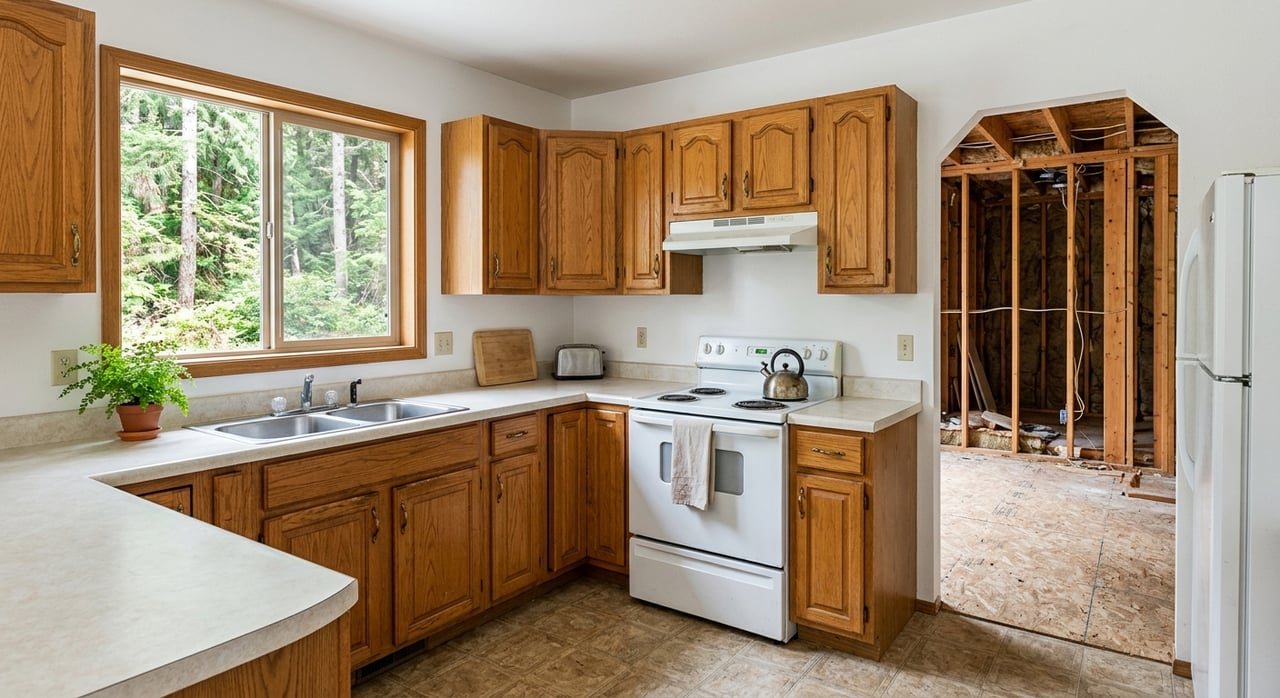
Cosmetic opportunity usually includes updates like paint, lighting, flooring, cabinetry, countertops, or a dated bathroom refresh. These changes can improve how a home looks and feels without changing the structure or footprint.
True buildable potential is different. That might mean finishing an attic, converting a basement into living space, adding square footage, or reworking the layout in a way that affects systems, structure, or code compliance.
In Knox County, that distinction matters. Cosmetic improvements may help a home show better and attract stronger offers, while bigger value-add plans depend on permitting, septic capacity, setbacks, utility changes, and in some cases shoreland rules.
Why small improvements can have a big effect
A common mistake is assuming only large remodels create value. In reality, targeted improvements often have a strong impact because they are visible, practical, and easier for buyers to understand.
The 2025 Remodeling Impact Report found strong cost recovery on some smaller projects, including a steel front door at 100% and a fiberglass front door at 80%. That does not mean every small project performs the same way, but it is a helpful reminder that the market often rewards focused upgrades, not just major renovations.
For sellers, this can be encouraging. If your home needs work, you may not need a full overhaul to improve buyer response. A few well-chosen updates can make the property feel more cared for, more move-in ready, and easier to picture as a future home.
Presentation still shapes value
Even if a home needs updating, presentation matters. NAR’s 2025 staging report found that 83% of buyers’ agents said staging made it easier for buyers to visualize a property as a future home. The same report found that 29% of agents said staging increased the dollar value offered by 1% to 10%.
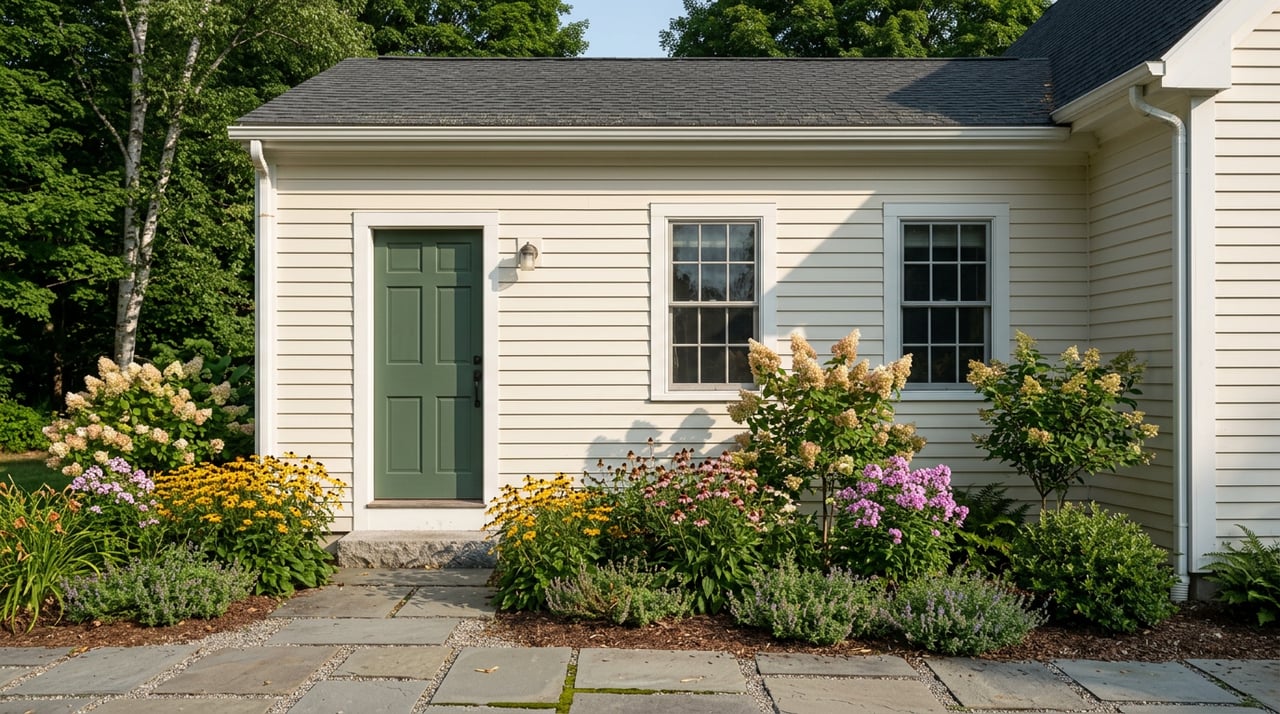
Sellers’ agents most often recommended decluttering, deep cleaning, and curb appeal improvements. That advice is especially relevant in Knox County, where older homes often have character and strong bones but may need help presenting their best side.
If you are selling a home with renovation potential, the goal is to make the opportunity feel clear rather than overwhelming. Buyers are more likely to respond well when they can see both the home’s current strengths and the next logical improvements.
Knox County rules can shape value
In Maine, the Uniform Building and Energy Code sets the minimum statewide standard for most construction, and compliance is the owner’s responsibility even where local enforcement varies. That means a project that seems simple at first glance may still need to meet code requirements.
Local permit rules also matter. In Rockport, building permits are required for additions and renovations, but some finish work does not need a permit, including painting, tiling, carpeting, cabinets, countertops, same-size window replacement, and re-siding. In Rockland, permits are required for new or replacement structures, additions, and most alterations, and the permit office also covers areas such as plumbing, electrical, driveways, sewer connections, floodplain, and shoreland zoning.
This is one reason renovation potential is so location-specific in Midcoast Maine. The same idea that feels straightforward in one setting may involve a different level of review in another.
Septic and shoreland issues are often decisive
For many Midcoast properties, the biggest value question is not style. It is whether the site can support the work you want to do.
According to Maine CDC, a permit is required for any new, expanded, or replacement subsurface wastewater disposal system, except for normal maintenance and repair. That matters if a planned renovation would increase demand on the system or if an older system limits future use.
Shoreland zoning can also affect what is realistically possible. Maine DEP says shoreland zoning rules apply within 250 feet of the normal high-water line of great ponds, rivers, and coastal wetlands, and within 75 feet of certain streams. So if a coastal or near-water property seems to have room for an addition, the real answer may depend on setback, septic, floodplain, and shoreland constraints.
Common Knox County renovation scenarios
A village home with an outdated kitchen but solid bones is often the easiest example of useful renovation potential. Buyers may see clear upside because the work is understandable, the home remains functional, and the project does not necessarily depend on major site or structural changes.
A house with an unfinished attic or basement can be more complicated. It may look like future living space, but insulation, mechanical systems, permitting, and code compliance all help determine whether that possibility is realistic.
A coastal property can be the most complex of all. What looks like an easy expansion on paper may become more limited once septic capacity, setbacks, floodplain rules, and shoreland zoning enter the picture.
What this means if you are buying
If you are buying in Knox County, renovation potential should be viewed as a layered opportunity. Start by separating what is cosmetic from what is structural or site-dependent.
Ask practical questions early:
- Which improvements are simple finish updates?
- Which projects may require permits?
- Could septic capacity affect future plans?
- Is the property subject to shoreland or floodplain review?
- Will the likely cost of improvements still make sense at the purchase price?
This kind of thinking can help you avoid paying a premium for upside that may not be achievable. It can also help you recognize a good opportunity when the improvement path is clear and manageable.
What this means if you are selling
If you are selling, the best strategy is usually clarity. Buyers tend to respond better when renovation potential is presented honestly and specifically.
That often means highlighting improvements that are easy to understand, such as an outdated kitchen with a functional layout, a newer roof, or a clean basement with possible future use if a buyer completes the needed steps. It also means avoiding vague claims about expansion when the underlying constraints have not been sorted out.
In many cases, the smartest pre-listing moves are modest ones. Decluttering, deep cleaning, curb appeal work, and a few targeted cosmetic updates can improve how buyers experience the home without overinvesting in projects that may not return their full cost.
The bottom line on value
In Knox County, renovation potential adds value when it feels understandable, permitted, and financeable. It tends to lose value when it suggests hidden cost, unclear scope, or regulatory uncertainty.
That is especially true in a market shaped by older housing, strong owner-occupancy, and a mix of village, inland, and coastal properties. A home does not need to be fully renovated to attract interest, but the path forward should feel realistic.
If you are weighing whether to buy a fixer, prepare a home for sale, or decide which updates are worth making, local insight matters. The Uhll Group at Legacy Properties Sotheby's International Realty brings hands-on renovation perspective and Midcoast market knowledge to help you think through value, condition, and next steps with confidence.
FAQs
How does renovation potential affect home value in Knox County?
- Renovation potential can support value when the improvements are clear, practical, and realistic, but it can hurt value if buyers see hidden costs, permit hurdles, or site limitations.
Which renovations do buyers in Knox County usually notice most?
- Buyers often respond most strongly to kitchen upgrades, bathroom renovations, new roofing, and practical improvements that reduce maintenance concerns.
Do cosmetic updates help a Knox County home sell for more?
- Cosmetic updates can help by improving presentation and making it easier for buyers to picture the home, especially when paired with decluttering, deep cleaning, and curb appeal work.
Can an unfinished attic or basement add value in Knox County?
- It can add appeal, but only if the space can realistically be converted with the right permits, insulation, mechanical systems, and code compliance.
Why are septic rules important for renovation plans in Knox County?
- Septic rules matter because new, expanded, or replacement subsurface wastewater systems generally require permits, and system capacity may limit how much a property can be expanded or reconfigured.
How do shoreland rules affect renovation potential in Knox County?
- Shoreland zoning can limit additions and other changes near coastal wetlands, great ponds, rivers, and certain streams, so apparent expansion potential may be more restricted than it first appears.