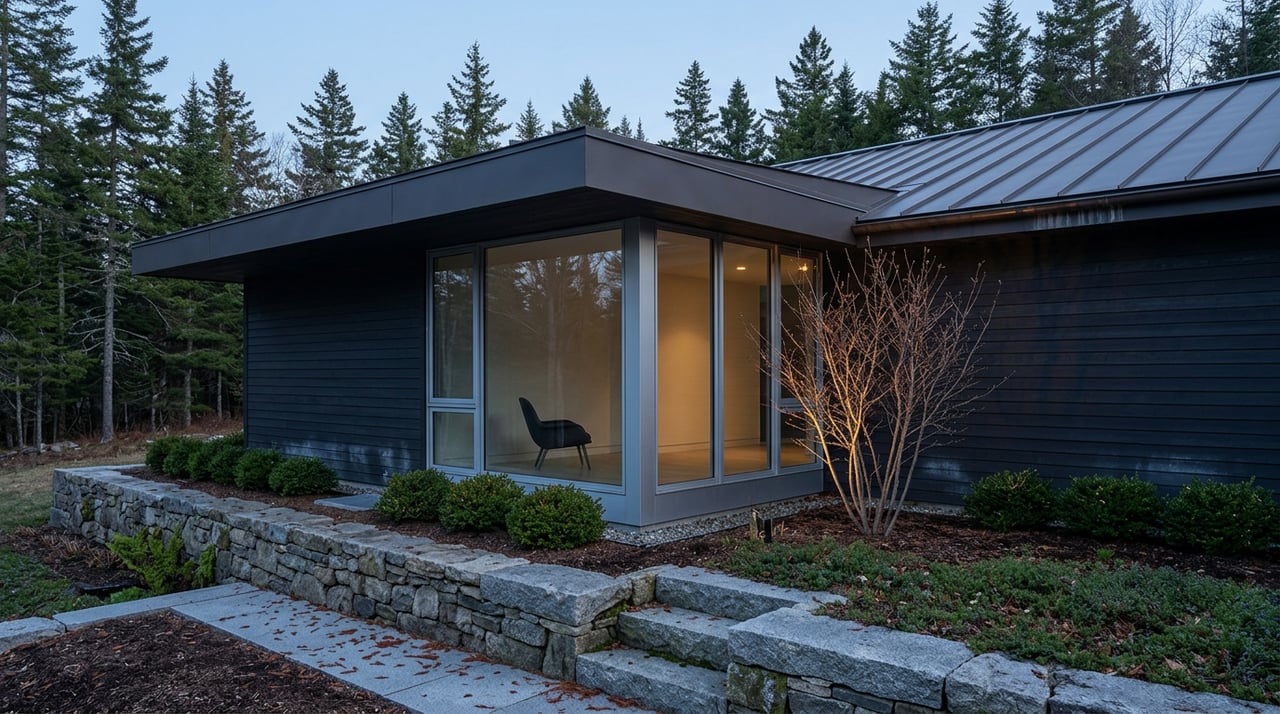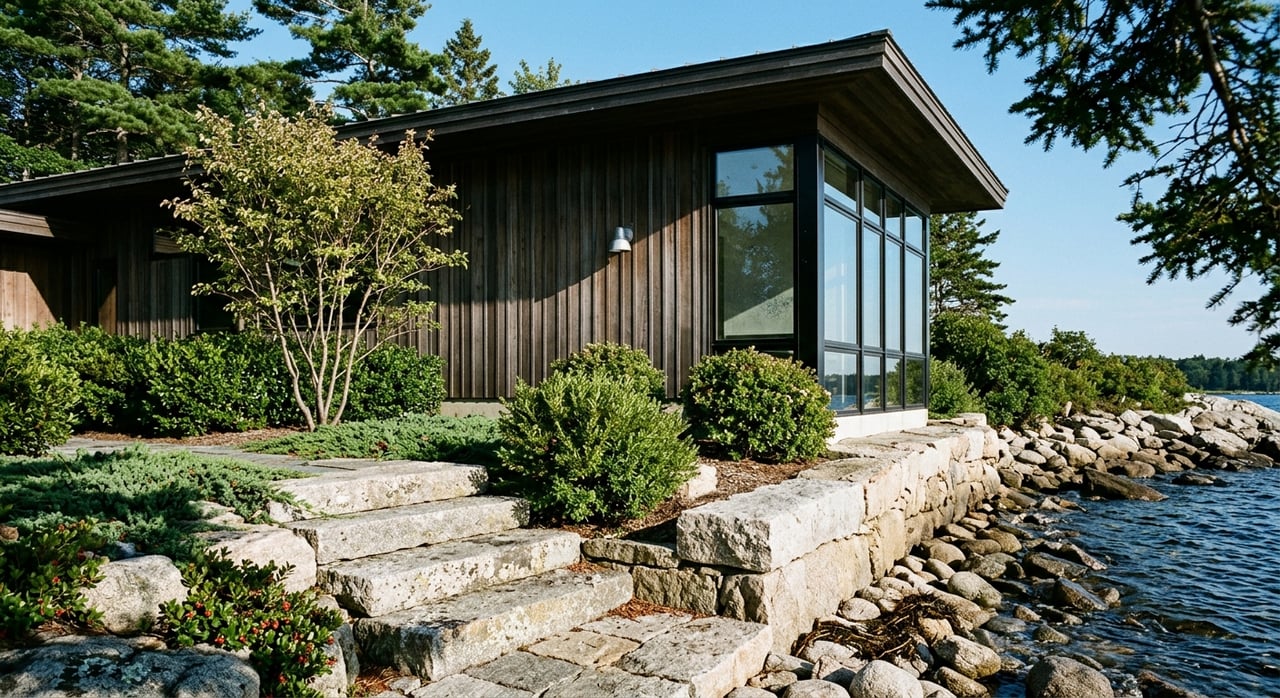
Dreaming about waking up to Penobscot Bay views or a quiet lake in Lincolnville? Waterfront property here can be stunning, but it also comes with rules, costs, and site details that matter long before closing day. If you are buying for year-round living, a second home, or a legacy retreat, understanding those details early can help you avoid surprises and buy with confidence. Let’s dive in.
Understand Lincolnville’s waterfront types
Lincolnville is not just one kind of waterfront market. The town includes bayfront shoreline, harbor-adjacent property, lakes and ponds, and parcels near streams or wetlands. That variety is part of the appeal, but it also means each property can come with a different set of limits and responsibilities.
For you as a buyer, the big takeaway is simple: one waterfront lot may allow very different uses than another, even if both look similar online. In Lincolnville, location on the map matters just as much as the amount of shoreline you see in the listing.
Know what shoreland zoning covers
Maine’s shoreland zoning rules apply to land near great ponds, rivers, tidal waters, coastal wetlands, freshwater wetlands, and certain streams. Lincolnville follows that framework through its local Land Use Ordinance, with shoreland zoning updates posted through July 2024. The town’s rules also cover structures on, over, or abutting docks, wharves, piers, and other structures below the normal high-water line.
That matters because a property can be beautiful and still have strict development limits. Before you focus on expansion plans, accessory structures, or landscaping ideas, make sure you know whether the lot sits in the shoreland zone and what district applies.
Check the zoning district first
Lincolnville’s shoreland zone includes several districts, including Resource Protection, Resource Conservation, Limited Residential, Harbor, Stream Protection, Limited Commercial, and General. Those districts are not just labels. They directly affect setbacks, uses, and what kind of work may need review.
In practical terms, two homes with similar frontage can have very different rules. A buyer who plans to add a garage, move a driveway, widen a view, or improve shoreline access should confirm the parcel’s exact district early in the process.
Review setback rules before you buy
Setbacks are one of the most important details on any Lincolnville waterfront purchase. In the town’s ordinance, principal and accessory structures generally must sit at least 100 feet from ordinary waterbody and wetland setbacks. Resource Conservation areas require 150-foot setbacks, Resource Protection areas require 250 feet, and the Harbor District requires 25 feet.
Roads and driveways also have setback rules. They are generally set back 100 feet from GPA waters and 75 feet from other water bodies, streams, and wetlands, with a reduced 50-foot option only when no reasonable alternative exists and erosion controls are shown.
If you are buying a smaller lot, an older cottage, or a site with steep terrain, these numbers can shape what is realistically possible. A property can be a great fit, but only if the layout supports your plans.
Do not assume dock rights come with the lot
Waterfront buyers often assume shoreline ownership automatically includes broad rights over the water. In Lincolnville, that can be a costly assumption. Maine says most water-covered land is publicly owned, and in the coastal region, public submerged lands extend from the mean low-water mark seaward.
That means a private lot may not automatically give you the right to build, place, or occupy structures over the water. Certain structures on submerged lands can require leases or easements, so it is worth verifying what the seller actually has in place before you count on future dock or pier use.
Moorings and harbor access are separate questions
If your dream includes boating, ask about moorings right away. Lincolnville’s harbor ordinance places mooring sites under Harbor Master control, uses waiting lists when demand exceeds supply, and gives first priority to property owners abutting the adjacent water. Changes also require written approval.
The town’s rules make another point clear: waterfront ownership and harbor access are not the same thing. If you want a mooring, a dock upgrade, or regular water access, you should confirm those rights early rather than assume they transfer with the property.
Understand rules for docks and water-dependent structures
Docks, piers, and retaining walls receive special treatment under the local ordinance. They are exempt from the ordinary waterbody and wetland setback, but that does not mean anything goes. Lincolnville limits how many such structures can be on a lot.
There is also an important rule for non-tidal waters. New permanent piers and docks on non-tidal waters are not allowed unless a temporary pier or dock is not feasible and the Maine Department of Environmental Protection approves. If a listing mentions dock potential, make sure that claim matches the permitting reality.
Look closely at flood hazard areas
Some Lincolnville waterfront properties fall within FEMA-based flood hazard zones A, AE, and VE. The town participates in the National Flood Insurance Program and requires a Flood Hazard Development Permit from the code enforcement officer for construction or other development in those special flood hazard areas.
For you, this affects more than future building plans. Flood zone status can influence insurance costs, renovation options, and how you budget for ownership over time. It is smart to identify flood hazard exposure before closing, not after.
Septic and water service can shape the deal
Many waterfront homes are not served by public sewer, which makes wastewater review a key part of due diligence. Lincolnville requires a valid plumbing permit or a completed application with site evaluation approved by the Plumbing Inspector whenever a subsurface disposal system is needed. The town also requires written verification that residential structures have adequate wastewater and water service before occupancy-type approval.
There is another important point for shoreland properties. Maine CDC says that when ownership transfers in the shoreland zone and the property has a subsurface wastewater disposal system, a certified inspection is required. That means septic review is not just a nice extra on a waterfront purchase. It is a core part of the transaction.
Ask early about year-round use
A seasonal cottage can be charming, but conversion to year-round use is not always simple. Maine CDC updated its Subsurface Wastewater Disposal Rules in 2023 to include specific seasonal-conversion requirements. On a waterfront lot, septic capacity and site conditions can become major decision points.
If you hope to use the property in all four seasons, ask whether the system is suitable for that use before you buy. This is especially important for second-home buyers who may want more flexibility over time.
Shoreline upkeep is more regulated than many buyers expect
Waterfront ownership in Lincolnville often involves more planning than basic mowing, pruning, or snow clearing. Within the 100-foot or 75-foot buffer strips, cleared openings are limited, shoreline footpaths can be no wider than 6 feet, and revegetation must use native noninvasive species. The ordinance also applies long-term survival standards for replanting.
That means shoreline work is not simply a landscaping choice. If you want to improve a view, manage erosion, stabilize a bank, or create easier access to the water, you may need approvals and a carefully planned scope of work.
Erosion control matters during site work
On many waterfront sites, even small projects can trigger extra requirements. If more than one cubic yard of soil is disturbed in the shoreland zone, Maine requires a DEP-certified erosion-control person to be on site until the work is complete and stabilized.
This can affect projects like grading, driveway changes, drainage improvements, and some landscaping work. It is one more reason to understand not just the house, but the full site and its maintenance needs.
Build your due-diligence team early
A Lincolnville waterfront purchase often benefits from more than a standard home inspection. Depending on the property, the most useful specialists may include a Maine-licensed site evaluator, an erosion-control certified contractor, a floodplain-savvy inspector or engineer, a marine surveyor or dock contractor, and a title attorney who can confirm deeded access, easements, and any recorded mooring or pier rights.
At the town level, a Land Use Application or Permit is required before starting work on items such as residences, accessory buildings, pier, dock, and wharf projects, clearing, fill, timber harvesting, demolition, and major renovations. Shoreland-zone construction requires Planning Board approval, and applications must reach the town office 9 days before the next Planning Board meeting.
A smart buyer checklist for Lincolnville waterfront
Before you move from showing to offer, try to answer these questions:
- Is the lot in the shoreland zone?
- Is it also in a flood hazard area?
- What zoning district applies to the parcel?
- What does the deed include for access, easements, moorings, or dock rights?
- Is the septic system transferable and suitable for year-round use if needed?
- Will the shoreline buffer, driveway location, or dock plans require permits?
- Are there site constraints that affect additions, garages, or guest structures?
These are the questions that often separate a smooth waterfront purchase from a frustrating one. The right property is out there, but the best results usually come from balancing lifestyle goals with a clear understanding of local rules.
Lincolnville offers a rare mix of bay views, harbor access, freshwater settings, and classic Midcoast character. When you pair that setting with careful due diligence, you can buy not just a beautiful property, but one that truly fits how you want to live. If you are exploring waterfront homes in Lincolnville or anywhere in Midcoast Maine, The Uhll Group at Legacy Properties Sotheby's International Realty can help you evaluate the details that matter before you commit.
FAQs
What should you check first when buying waterfront property in Lincolnville, Maine?
- Start by confirming whether the lot is in the shoreland zone, which zoning district applies, and whether the property is also in a flood hazard area.
Do Lincolnville, Maine waterfront homes automatically include dock or mooring rights?
- No. Waterfront ownership does not automatically include dock, pier, or mooring rights, so you should verify deeded rights, harbor rules, and any required approvals early.
Are septic inspections required for shoreland properties in Lincolnville, Maine?
- Yes. If ownership transfers in the shoreland zone and the property has a subsurface wastewater disposal system, Maine CDC requires a certified inspection.
Can you convert a seasonal waterfront cottage to year-round use in Lincolnville, Maine?
- Possibly, but you should confirm septic capacity and site conditions first because Maine’s 2023 subsurface wastewater rules include specific seasonal-conversion requirements.
Do you need permits for shoreline work on Lincolnville, Maine waterfront property?
- Often, yes. Clearing, fill, major renovations, pier or dock work, and other shoreland-zone projects may require a local Land Use Application or Permit and, in some cases, Planning Board approval.