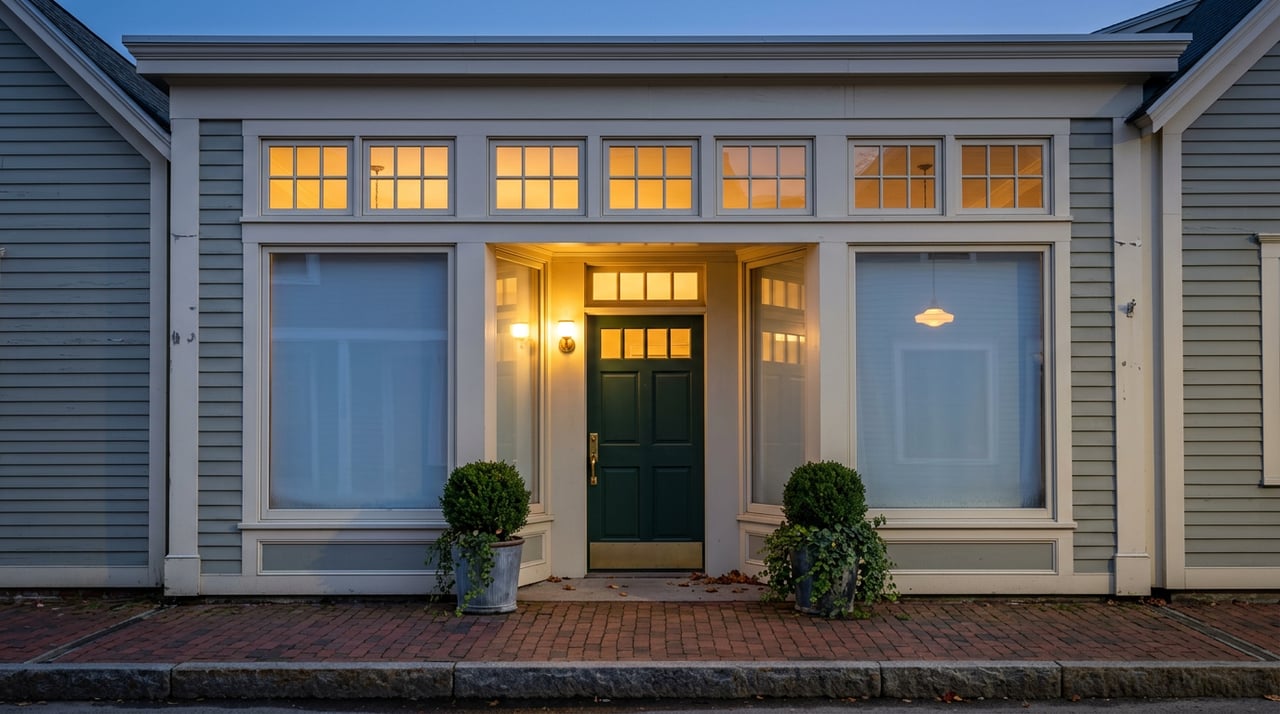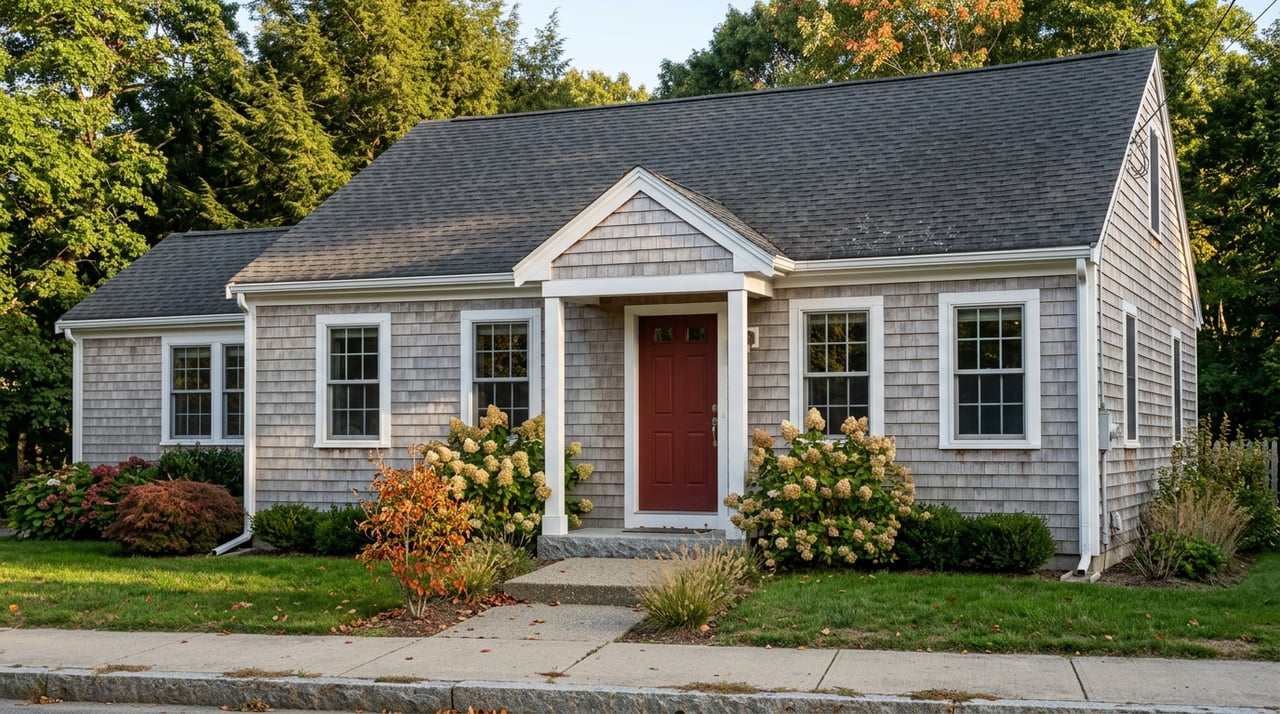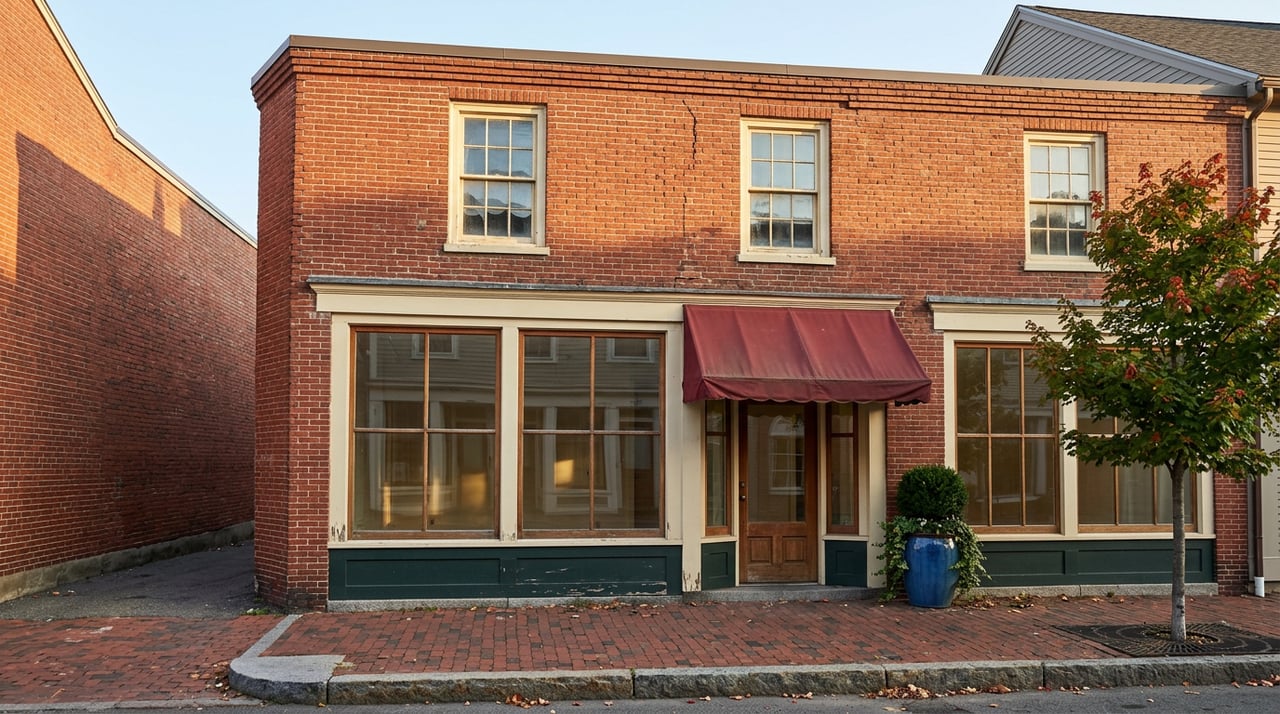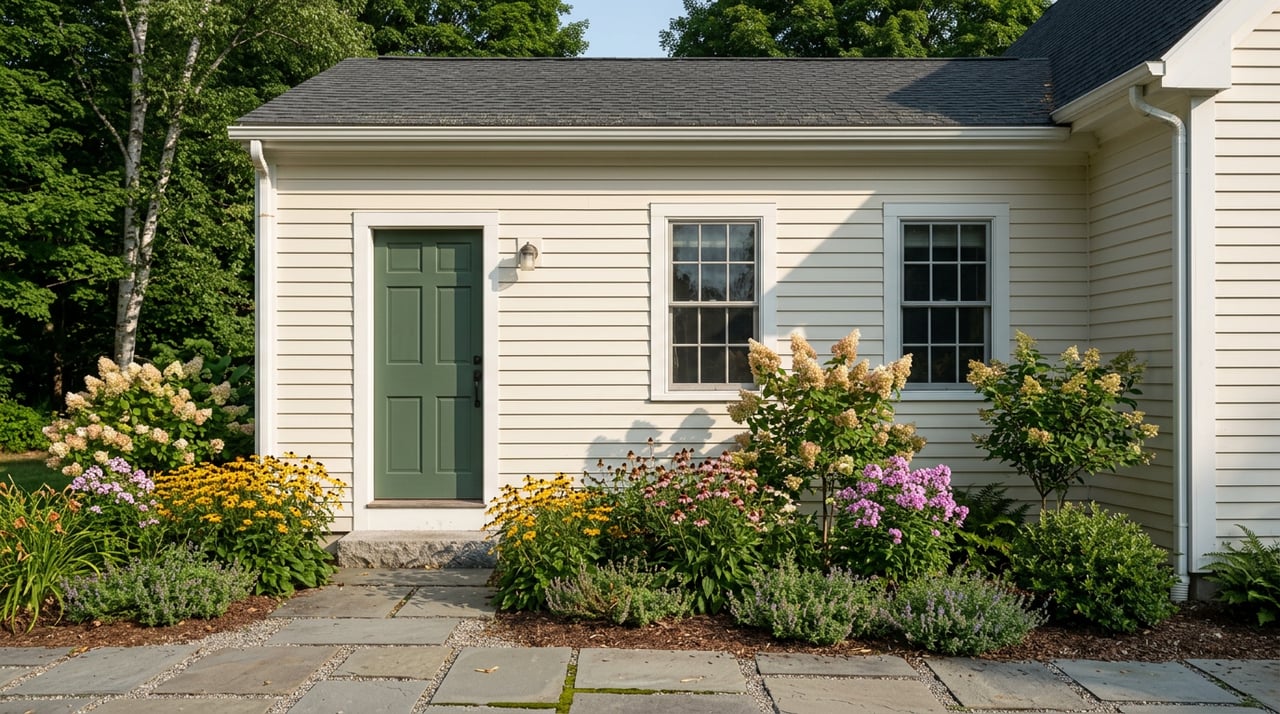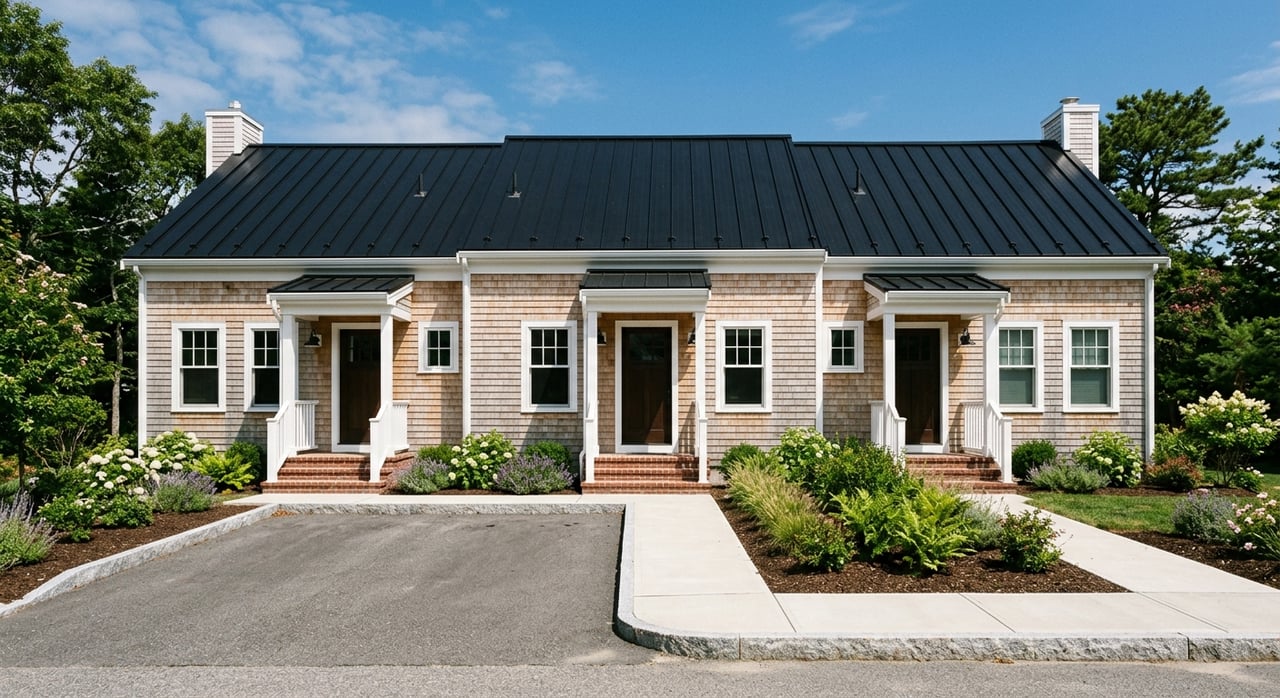
If you love Camden but do not love the idea of shoveling snow, coordinating exterior repairs, or worrying about a house while you are away, a condo or townhome may be worth a closer look. Low-maintenance living can be a smart fit here, especially for downsizers, second-home buyers, and anyone who wants more time to enjoy the Midcoast lifestyle. In this guide, you will get a clear look at how Camden condos and townhouse-style homes work, what to watch for, and which questions matter most before you buy. Let’s dive in.
Camden condo market at a glance
Camden is part of Maine’s Midcoast & Islands region, and that shapes the local condo and townhome market in a big way. Instead of a large suburban-style condo supply, you are looking at a smaller coastal market tied to lifestyle, second-home ownership, and lock-and-leave convenience. According to the State of Maine’s regional overview, Camden sits squarely within a coastal region known for destination appeal.
Inventory is also limited, which is important if you are hoping to find the right fit quickly. The current market snapshot in the research shows only a handful of condo and townhome options in Camden, with active listings concentrated in places like Belfast Road and a few attached waterfront homes in town. In a market this thin, being prepared matters.
Pricing can vary widely depending on location, views, amenities, and whether the property is inland, in the village, or on the waterfront. Recent examples in the research range from a Bay View Street condo that sold for $405,000 in June 2025 to a downtown condo at 69 Elm Street that sold for $815,000 in September 2024, while current NordHavn condos on Belfast Road are listed around $1.35 million to $1.4 million. Waterfront attached homes can reach even higher price points.
What low-maintenance living really means
A condo or townhouse condo can reduce the number of day-to-day property tasks on your plate, but it does not remove responsibility altogether. Under the Maine Condominium Act, the association is generally responsible for maintenance, repair, and replacement of common elements, while you are usually responsible for your unit unless the declaration says otherwise.
That means you may spend less time dealing with exterior upkeep, shared grounds, or snow removal, but you are also part of a shared ownership structure. You are not only buying the home itself. You are also buying into a set of rules, budgets, and governance procedures that affect how the property is managed.
This tradeoff is often attractive for buyers who want a simpler ownership experience. If you travel often, plan to use Camden as a second home base, or want to downsize without taking on every exterior project yourself, this ownership style can make a lot of sense.
Condo vs townhome in Camden
In Camden, the words condo, townhome, and townhouse condo are not always used consistently in marketing. A home may look like a townhome because it is attached and has multiple levels, but its legal ownership structure may still be a condominium.
That difference matters. As noted in the research, buyers should confirm the actual legal structure in the declaration and resale certificate instead of relying on the building style alone. This is especially important when you are trying to understand what you own individually, what is shared, and what the association controls.
What associations can control
One of the biggest differences between a condo and a single-family home is how much of the exterior and shared property is governed by the association. Under Maine law, associations can adopt rules, collect common-expense assessments, regulate common elements, and enforce certain standards for the community through notice and hearing procedures. You can review those powers in Maine statute.
For buyers, the practical takeaway is simple: you need to know the rules before you fall in love with the view. Exterior changes often require association approval, and Maine law specifically limits unauthorized changes to exterior appearance or common elements.
The bylaws also matter more than many buyers expect. They must spell out how the board operates, how decisions are made, and how changes can happen over time, as outlined in the state requirements for condo bylaws.
What fees may cover
A monthly or quarterly condo fee is often the first number buyers notice, but it is only part of the story. In the Camden examples from the research, fees range from $825 per month at NordHavn to $2,081 per quarter at Bay View Street. The right question is not just “How much is it?” but “What does it cover?”
Depending on the association, dues may help pay for items such as:
- Snow removal
- Landscaping
- Exterior maintenance
- Shared insurance
- Dock-related costs
- Common-area upkeep
- Building systems that serve multiple units
Because each association is different, you will want to review the budget and ask direct questions. A higher fee may be reasonable if it covers significant shared costs, while a lower fee may leave more expenses outside the association’s scope.
Reserve funds and special assessments
A well-run association does more than collect dues for current bills. It also plans ahead for future expenses like roofs, siding, paving, or shared system updates. This is where reserve funds become important.
Maine resale rules require disclosure of capital expenditures, reserve balances, current budgets, and unpaid special assessments. The research points buyers to the resale certificate disclosure requirements, which can help you understand whether the association appears financially prepared or whether owners may face added costs later.
If you are considering a Camden condo or townhome, ask whether any major projects are expected in the near future. A beautiful property can still come with surprise costs if the association has underfunded reserves.
Documents you should review
In Maine, condo buyers have important disclosure protections, and those documents can tell you a great deal about how the association operates. For resale properties, the law requires delivery of the declaration, bylaws, and rules, along with a current certificate disclosing common expenses, reserves, insurance, pending suits, code issues, and more. The association must provide that certificate within 10 days after request under Maine’s resale disclosure rules.
For new construction, the public offering statement goes even further. It must disclose the developer, project details, budget, reserves, assessments, certain closing fees, warranties, financing information, and pending legal matters.
These documents help you answer practical questions like:
- Who maintains roofs, siding, windows, decks, driveways, docks, and shared systems?
- Are there rental restrictions?
- What are the parking rules?
- Are pets allowed?
- Are there current or planned special assessments?
- Are there pending lawsuits or code issues?
Camden features that attract low-maintenance buyers
Camden’s smaller condo and townhome inventory often comes with features that appeal to buyers looking for ease and flexibility. In the examples provided in the research, a downtown condo at 69 Elm Street offered elevator access and two garages, while Bay View Street waterfront units featured decks, water access, and seasonal dock use.
At NordHavn on Belfast Road, the lifestyle pitch includes private woodland trails, a community campfire area, and heat-pump comfort. Those details matter because low-maintenance living is not just about doing less work. It is also about spending more of your time enjoying where you live.
For many buyers, that means easier arrival and departure, less exterior upkeep, and more freedom to focus on boating, walking into town, or simply using Camden as a comfortable home base.
Waterfront condos need extra due diligence
Turnkey does not always mean low-risk, especially near the water. Waterfront attached homes may offer dock access, views, and simpler exterior care, but they can also come with exposure to flooding, wind, and weather-related maintenance concerns.
The research notes that one Bay View Street waterfront townhouse condo carried a 10/10 Flood Factor on Redfin. That does not mean a buyer should automatically walk away, but it does mean you should look carefully at insurance, elevation, storm readiness, and how the association handles shared waterfront-related responsibilities.
In coastal Maine, practical due diligence matters. A property can be beautiful and convenient while still requiring careful review of risk.
Who this ownership style fits best
Camden condos and townhomes are often a strong fit if you want a home that supports your lifestyle instead of adding to your to-do list. Based on the ownership structure and current listing profiles in the research, this can be especially appealing for:
- Downsizers who want less exterior work
- Second-home buyers who need a lock-and-leave setup
- Frequent travelers who prefer shared maintenance
- Buyers who value amenities and shared outdoor spaces
- People who want village or waterfront access with fewer ownership tasks
That said, a condo is not automatically easier for every buyer. If you want full control over the exterior, fewer rules, or more independence in how the property is used, a single-family home may still be the better fit.
Questions to ask before buying
Before you move forward on any Camden condo or townhome, make sure you get clear answers to the basics. A few smart questions early on can save you frustration later.
Ask about these items first:
- What exactly do the dues cover?
- How much is in reserves?
- Have there been recent or planned special assessments?
- What are the rules for pets, rentals, parking, docks, and exterior changes?
- Who maintains the roof, siding, windows, decks, and shared systems?
- Are there any pending lawsuits, code issues, or insurance concerns?
- Is the property legally a condo, a townhouse condo, or another form of ownership?
In a market with limited inventory, it can be tempting to move fast. But with condos and townhomes, the details behind the listing matter just as much as the location and finishes.
Buying in a thin-inventory market
Because Camden has relatively few condo and townhome listings at any given time, patience and preparation are important. You may need to act quickly when the right property appears, but you also need enough time to review the association documents and understand the ownership structure.
That is where local guidance can make a real difference. In a small coastal market, each building has its own character, rules, costs, and lifestyle tradeoffs. Understanding those details can help you focus on the right opportunities and avoid surprises after closing.
If you are thinking about a condo or townhouse in Camden, the goal is not just to buy something low-maintenance. It is to find a property that fits how you actually want to live in Midcoast Maine. If you want help sorting through the options, The Uhll Group at Legacy Properties Sotheby's International Realty is here to help you navigate Camden and the surrounding Midcoast market with practical, local insight.
FAQs
What does low-maintenance living in Camden usually mean?
- In most Camden condos and townhouse condos, the association generally handles common elements, while you are typically responsible for your unit unless the declaration says otherwise.
What should condo fees cover in a Camden condo community?
- Condo fees may cover items like snow removal, landscaping, exterior maintenance, shared insurance, docks, or common-area upkeep, but coverage varies by association.
What documents should you review before buying a Camden condo?
- You should review the declaration, bylaws, rules, budget, reserve information, and the resale certificate or public offering statement, depending on whether the property is a resale or new construction.
What is the difference between a Camden condo and a Camden townhome?
- A home may be marketed as a townhome based on its style, but the legal ownership structure may still be a condominium, so you should confirm the structure in the governing documents.
What should you ask about a waterfront condo in Camden?
- You should ask about flood exposure, insurance, storm readiness, shared waterfront maintenance responsibilities, dock rules, and any building-specific risks tied to the location.
Who is a Camden condo or townhome best suited for?
- This ownership style often suits downsizers, second-home buyers, and frequent travelers who want a lock-and-leave property with fewer exterior maintenance responsibilities.