If you are getting ready to sell a home in Camden Village, one question matters more than ever: will today’s buyers see charm, or will they see work? In a market where buyers can compare listings quickly online and in person, presentation and preparation carry real weight. The good news is that you do not need to erase a home’s history to make it competitive. You just need a clear plan that highlights character, addresses risk, and helps buyers feel confident from the start. Let’s dive in.
Why buyer expectations have changed
Camden Village offers something many coastal markets do not: a walkable, connected setting. Town planning documents note that village sidewalks link residential areas to downtown businesses, the harbor area, parks, the post office, and other daily destinations, with a focus on safer crossings and year-round use. When buyers consider a village home here, they are often weighing the full experience of living in town, not just the square footage inside.
That matters even more in a market where buyers are comparing options closely. A recent Realtor.com snapshot put Camden at a $724,000 median listing price, with 63 days on market and 42 active listings. For sellers, that means condition, clarity, and first impressions can influence whether a buyer books a showing or keeps scrolling.
Camden’s historic public spaces also shape how buyers see the village. The Village Green, Camden Harbor Park, and Camden Amphitheatre are recognized as part of the town’s historic landscape, and local planning documents describe these places as central to Camden’s character. So when you sell a village home, you are also presenting its place within a streetscape and a broader village setting.
Start with condition, not cosmetics
For many older Camden Village homes, the smartest first step is not paint color or decor. It is addressing the issues buyers tend to read as expensive, uncertain, or disruptive. If visible maintenance has piled up, buyers may assume bigger problems are waiting behind the walls.
Common trouble spots include:
- Peeling or deteriorating paint
- Loose trim or worn exterior details
- Aging windows
- Damp basements or crawlspaces
- Worn porch surfaces
- Deferred mechanical updates
These items matter because buyers often treat an older village home as a lifestyle purchase. They may be open to character and quirks, but they still want to feel that the home has been cared for. A house that looks understandable and well maintained usually feels more approachable than one that raises a list of open questions.
Be careful with pre-1978 updates
If your home was built before 1978, it is important to plan repairs carefully. EPA guidance says older homes are more likely to contain lead-based paint, and deteriorating paint can create a hazard, especially on friction surfaces like windows, doors, stairs, railings, and porches. The agency also reports that 87% of homes built before 1940 and 24% of homes built between 1960 and 1978 have some lead-based paint.
That does not mean you cannot improve the home before listing. It means you should avoid casual sanding, scraping, or window work without the right professionals in place. EPA requires paid renovation, repair, and painting work that disturbs painted surfaces in pre-1978 homes to be completed by certified firms using lead-safe work practices.
If radon testing or mitigation is part of your prep, Maine CDC guidance says that work tied to a home sale must be handled by a Maine-registered radon service provider. In practical terms, sellers often benefit from lining up qualified professionals before they start even small projects in an older home. That protects your investment and helps keep the listing process on track.
Use Maine disclosures to your advantage
Maine’s residential disclosure law requires sellers to share a wide range of property information. That includes water supply details, heating system information, waste disposal information, hazardous materials such as asbestos, lead-based paint, radon, and underground oil tanks, along with known defects, access information, flood risk, and shoreland zoning issues or enforcement history when applicable.
Instead of seeing disclosures as paperwork to get through, treat them as part of your selling strategy. When you gather records early, you reduce uncertainty and help buyers understand the home before they are deep into due diligence. That can make your listing feel more transparent and lower risk.
Helpful documents to collect before listing include:
- Service and maintenance records
- Recent utility bills
- Invoices for roof, boiler, or electrical work
- Lead or radon paperwork, if available
- Water or septic records, if applicable
- Notes or documents related to flood or moisture issues
When buyers and inspectors can follow the home’s story through records, they are less likely to feel surprised later.
Consider a pre-listing inspection
If your home has age, deferred maintenance, or a few known question marks, a pre-listing inspection may be worth considering. NAR has reported that more buyers are backing out after negative inspection findings, and that seller-side inspections can help owners handle repairs on their own timeline and disclose issues up front.
For a Camden Village seller, this can be especially useful when the home has older systems or a long ownership history. A pre-listing inspection does not make the house perfect, but it gives you a clearer roadmap. You can decide what to repair, what to document, and how to price the property with fewer surprises.
Refresh, do not over-renovate
Camden planning documents describe the town’s housing stock as historically older and note its historic New England architecture. They also encourage adaptive reuse of older buildings where feasible. That local context is helpful because it supports a more balanced approach to seller prep.
In many village homes, the goal is not to strip out every original detail and make the property feel generic. Buyers often respond best to selective repair and thoughtful refresh. Clean finishes, working systems, and a simple presentation tend to do more for value than removing every period feature that gives the home personality.
A smart refresh often looks like this:
- Repair what is visibly broken or worn
- Clean and simplify the most-used rooms
- Touch up finishes where needed
- Make entries, porches, and walkways feel safe and cared for
- Keep original details that read as authentic and functional
This approach respects the home’s character while still meeting modern buyer expectations.
Stage the rooms that matter most
Staging does not have to mean filling the house with trendy furniture. According to NAR’s 2025 Profile of Home Staging, 83% of buyers’ agents said staging made it easier for buyers to visualize a future home. The same report found that 29% of sellers’ agents said staging increased the dollar value offered by 1% to 10%.
For Camden Village homes, a focused staging plan often works best. NAR found that the living room, primary bedroom, and dining room are the spaces most commonly staged. If you are working with a budget, start there.
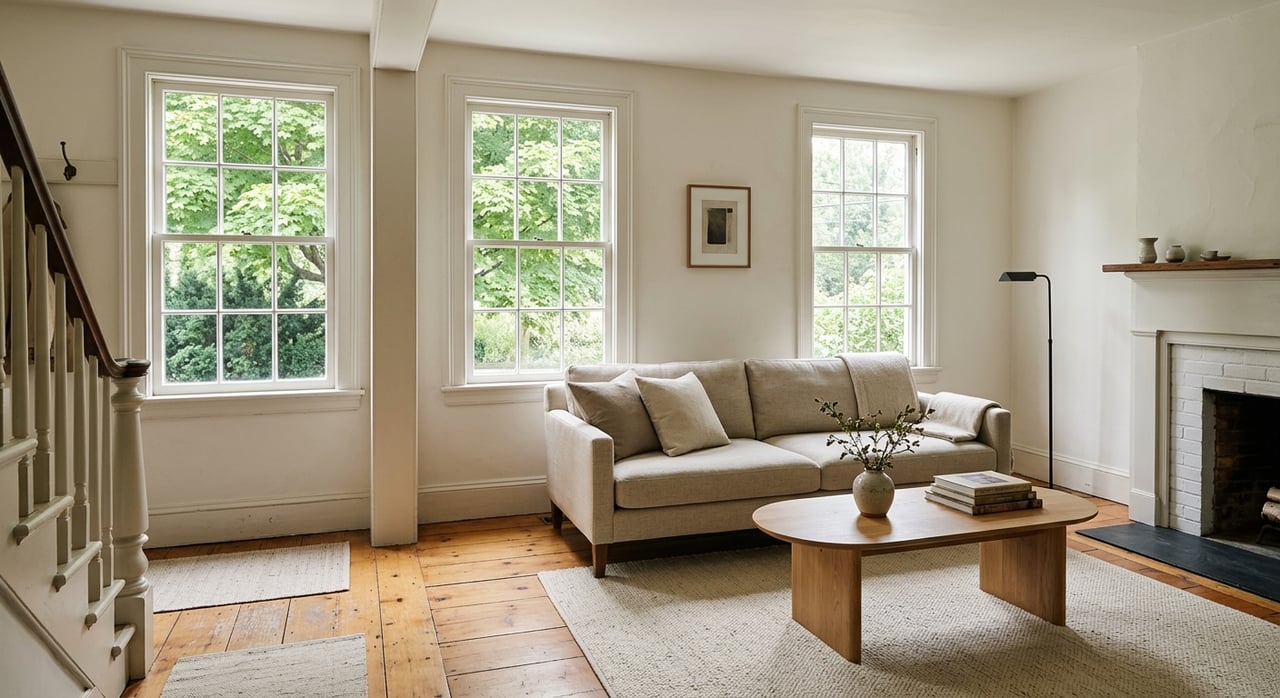
The key is to reduce visual noise so buyers can see light, scale, and original details. In an older home, too much decor can compete with the features that make the property feel special. A clean, edited look usually helps buyers understand the space more easily.
Treat online presentation as the first showing
Today, many buyers meet your home online before they ever step inside. NAR’s 2025 buyer trends report found that 43% of buyers said their first step was looking online for properties, 51% found the home they purchased on the internet, and 83% of internet users said photos were a very useful feature. The report also found that 69% used a mobile or tablet search device and 49% used open houses as an information source.
That means photos, floor plans, and listing copy should be part of your prep plan, not something added at the end. If the home looks dark, cluttered, or confusing online, some buyers may never make it to the showing stage. If it looks bright, honest, and well cared for, you are more likely to earn that next click or in-person visit.
For older village homes, the strongest visuals usually focus on:
- Natural light
- Room scale and layout
- Kitchen and bath condition
- Entry and stair presentation
- Window condition and trim details
- Porch and outdoor access
- Exterior approach from the street
The goal is not to make an old house look brand new. The goal is to make it look cared for, understandable, and fairly positioned for its condition.
Show how the home fits village living
Because Camden’s sidewalks connect residential streets to downtown, the harbor, parks, and other village destinations, buyers often notice more than the house itself. They may be paying close attention to how the property lives from the street inward.
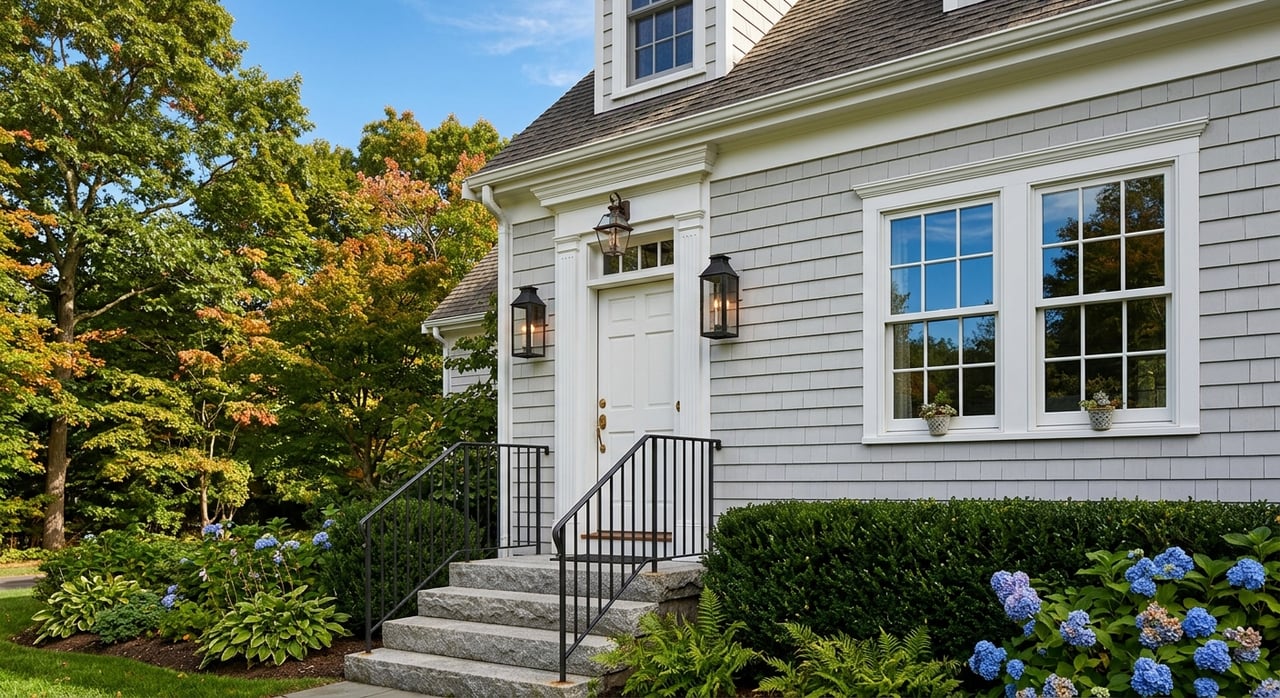
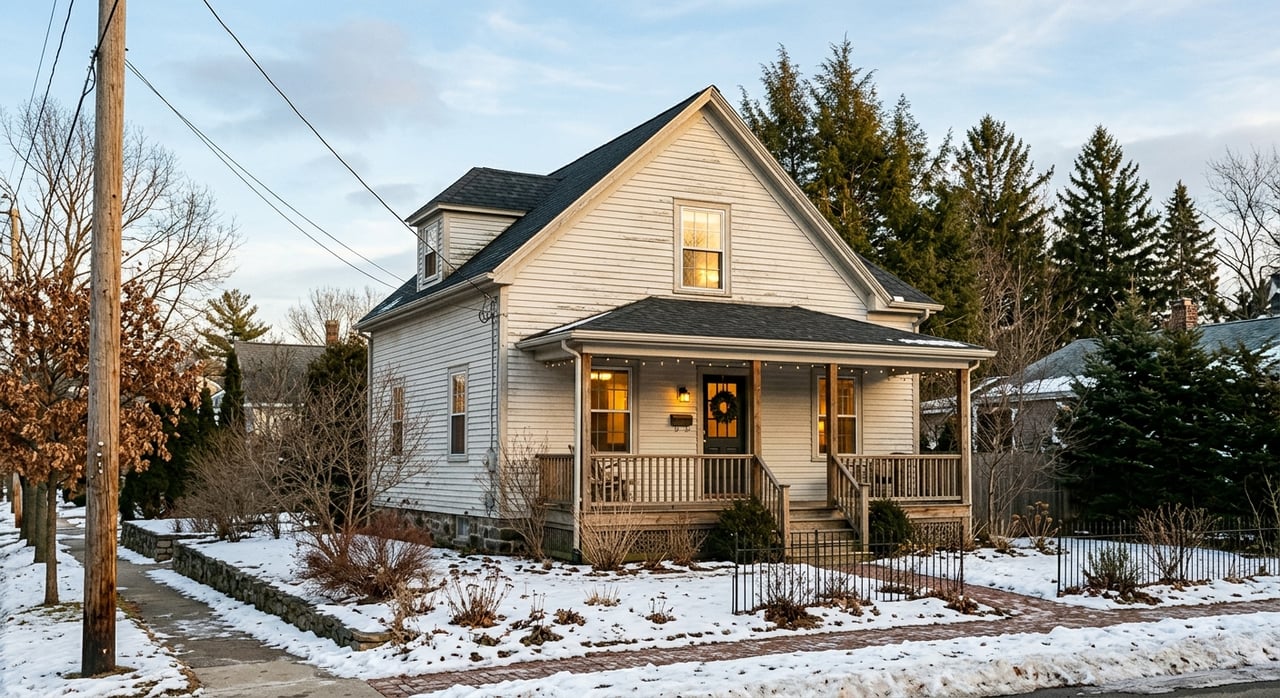
That includes the walk-up experience, parking, front entry, porch condition, and overall exterior upkeep. In a village setting, buyers are often asking themselves what daily life will feel like here. If the outside feels welcoming and easy to navigate, it can strengthen the appeal of everything inside.
Before listing, pay special attention to:
- Front steps and railings
- Porch surfaces
- Lighting at the entry
- Clear, clean pathways
- Visible exterior maintenance
- Parking areas and access points
These details help buyers picture arrival, routine, and everyday use, which is a big part of the village lifestyle story.
Prepare for common buyer questions
Most buyers of older Camden Village homes will come in with a practical set of questions. They are not always looking for perfection, but they do want clarity. If you can answer those questions early, you help the sale feel smoother and more credible.
Expect buyers to ask about:
- What has been repaired recently
- What still needs attention
- The age and condition of the roof and heating system
- Electrical updates or known limitations
- Moisture or basement history
- Lead, radon, water, septic, flood, or shoreland-related issues when applicable
- Whether recent work was professionally completed and documented
Having these answers ready can improve buyer confidence. It can also help your listing stand out from similar homes that may offer charm but less transparency.
The best prep plan is honest and strategic
The strongest Camden Village listings usually do not try to be something they are not. They lean into what buyers are actually looking for: character, livability, and confidence in the home’s condition. That means solving meaningful issues first, documenting the property well, and presenting it in a way that feels clean, clear, and true to the house.
For many sellers, the right move is a blend of repair, restraint, and smart marketing. You do not need to overbuild the story. You need to make it easy for buyers to see the value that is already there.
If you are thinking about selling a village home in Camden and want practical guidance on repairs, staging, and market-ready presentation, The Uhll Group at Legacy Properties Sotheby's International Realty can help you build a clear plan around your home’s condition, character, and goals.
FAQs
What should Camden Village sellers fix before listing an older home?
- Focus first on visible maintenance and condition items that buyers may see as risk, such as peeling paint, loose trim, aging windows, damp basement or crawlspace conditions, worn porches, and deferred mechanical issues.
What should sellers know about lead paint in Camden Village homes?
- If a home was built before 1978, painted surfaces may contain lead-based paint, so repairs that disturb paint should be planned carefully and completed by certified firms using lead-safe practices when required.
What disclosures are required when selling a home in Camden, Maine?
- Maine law requires sellers to disclose items such as water supply, heating and waste systems, hazardous materials including lead-based paint and radon, known defects, access details, flood risk information, and shoreland zoning issues when applicable.
Should sellers get a pre-listing inspection for a Camden Village home?
- A pre-listing inspection can be helpful for older or condition-heavy homes because it gives you time to address issues, gather documentation, and reduce the risk of surprises during the buyer’s inspection period.
Why does staging matter for Camden Village homes?
- Staging can help buyers picture themselves in the home, especially in the living room, primary bedroom, and dining room, and it often works best when it highlights light, scale, and original details without adding visual clutter.
How important are listing photos for Camden home sellers?
- Listing photos are extremely important because many buyers begin online, often on mobile devices, and strong visuals can help them understand the home’s condition, layout, and overall appeal before they schedule a showing.