Wondering whether Rockport feels more like a harbor town or a tucked-away hillside retreat? The answer is both, and that is exactly why choosing the right part of town matters. If you are trying to decide between a more walkable, waterfront-centered routine and a quieter home with more land and privacy, this guide will help you compare the tradeoffs and picture your day-to-day life more clearly. Let’s dive in.
Why Rockport Offers Two Distinct Lifestyles
Rockport has a compact harbor and village core, but it also has lower-density inland and rural areas designed to preserve natural features. Town land-use rules make that contrast clear. Harbor Village, mixed-use, and downtown areas are intended to support a village atmosphere, small businesses, residential uses, and pedestrian activity.
By comparison, Rockport’s Rural District is meant to protect natural resources, wildlife habitat, scenic vistas, steep slopes, and ridge lines. In simple terms, the town has intentionally shaped one part of Rockport for a more connected, compact pattern and another for space and landscape preservation. That difference can have a big effect on how your home feels and how your days unfold.
Harbor Living in Rockport
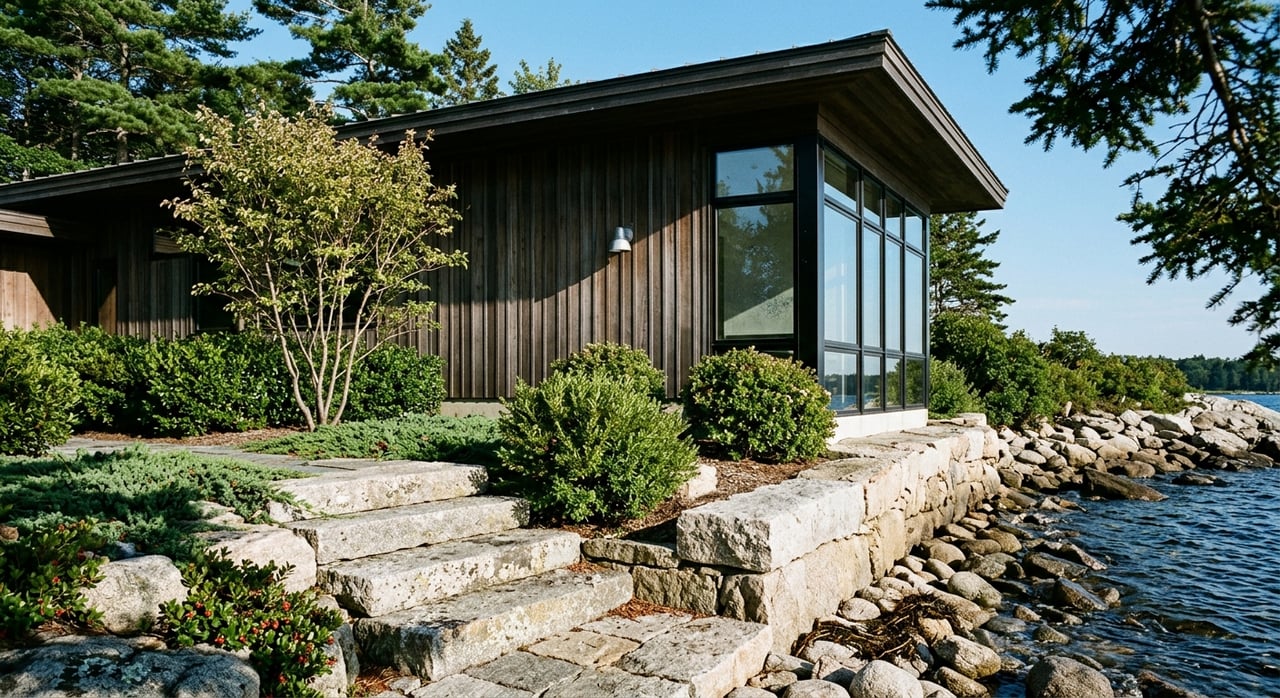
If you picture yourself stepping out for a walk, being near the water, and feeling connected to community activity, the harbor area may be the better fit. Rockport Harbor functions as both a working waterfront and a recreation hub. The town notes that the harbor includes moorings, dockage, a launch ramp, and modern amenities, with restaurants within walking distance.
The harbor is also woven into everyday community life. Uses range from youth sailing and fishing to yoga on the lawn and seasonal events. That can create an active, social rhythm that appeals to both full-time residents and second-home buyers looking for a strong sense of place.
What the Harbor Area Feels Like
The park system around the harbor adds to that walkable, village-centered feel. Marine Park offers water views, historic lime kilns, the André statue, a boat launch, schooner trips, concerts, and parking. Nearby, Goodridge Park sits in the center of the village as a place to sit and talk, while Memorial Park and Mary Lea Park add more public gathering space close to civic buildings.
This concentration of amenities matters. The public library is on Limerock Street, and the town’s public works department maintains sidewalks, roadways, stormwater and wastewater systems, parks, recreational areas, and public parking. If you value convenience and like the idea of being near shared public spaces, the harbor side of Rockport offers a more connected setup.
Harbor Homes and Density
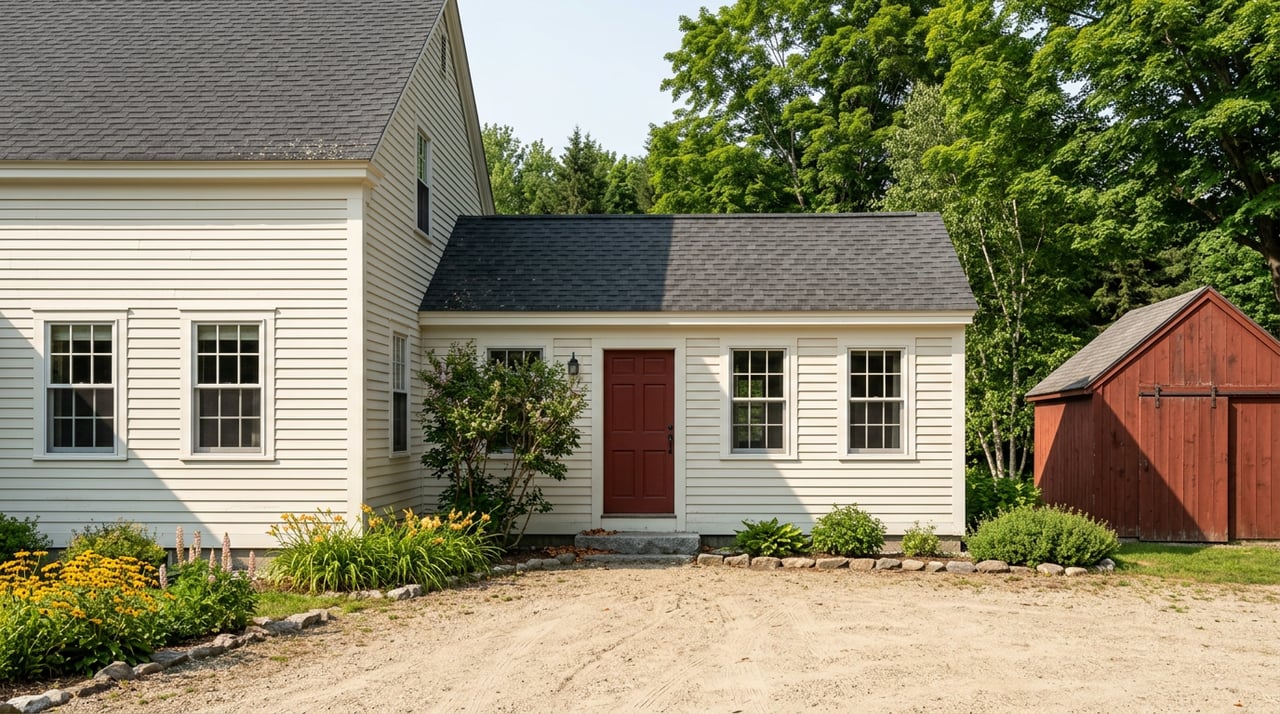
The zoning pattern tells part of the story here. In Harbor Village and Village districts, minimum lot sizes can be much smaller than in rural areas, depending on sewer availability. That supports the compact form many buyers associate with classic village living.
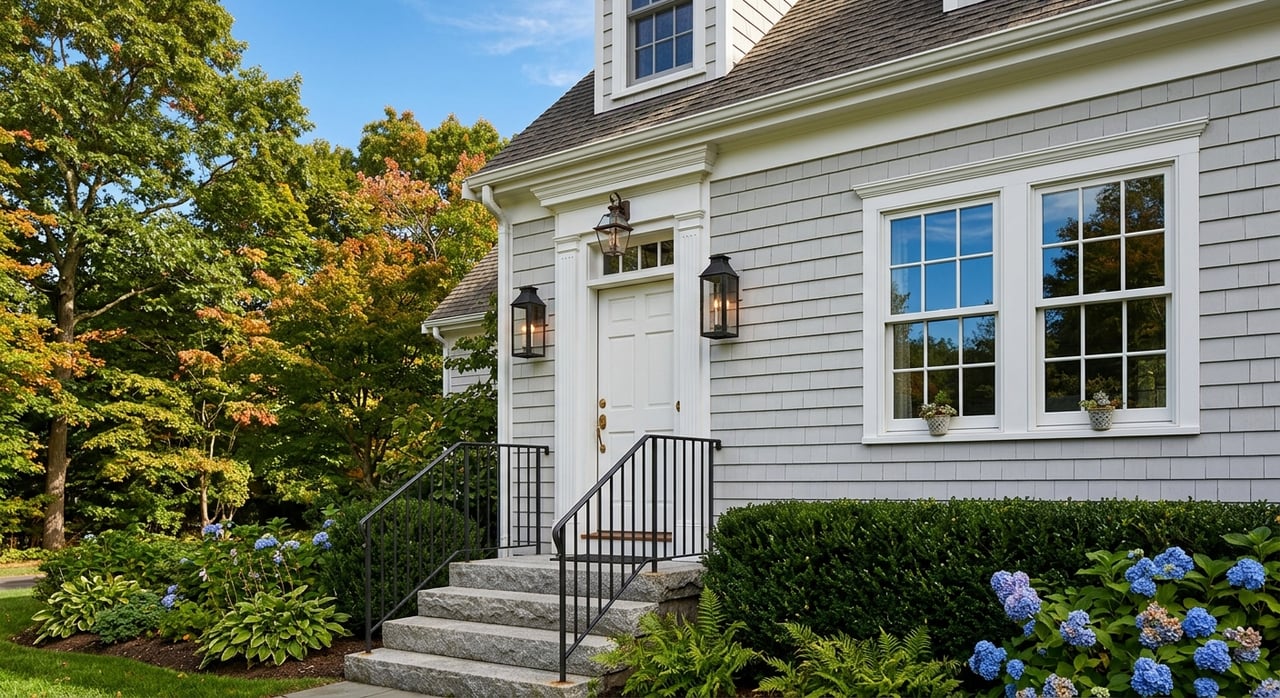
Rockport’s broader housing base is still mostly detached and owner-occupied. The town’s 2025 housing data reported 1,097 owner-occupied units and 347 renter-occupied units, and 89% of owner-occupied homes were single-family. So even in a compact part of town, you are still likely to see a housing stock shaped largely by single-family ownership.
Hillside and Rural Living in Rockport
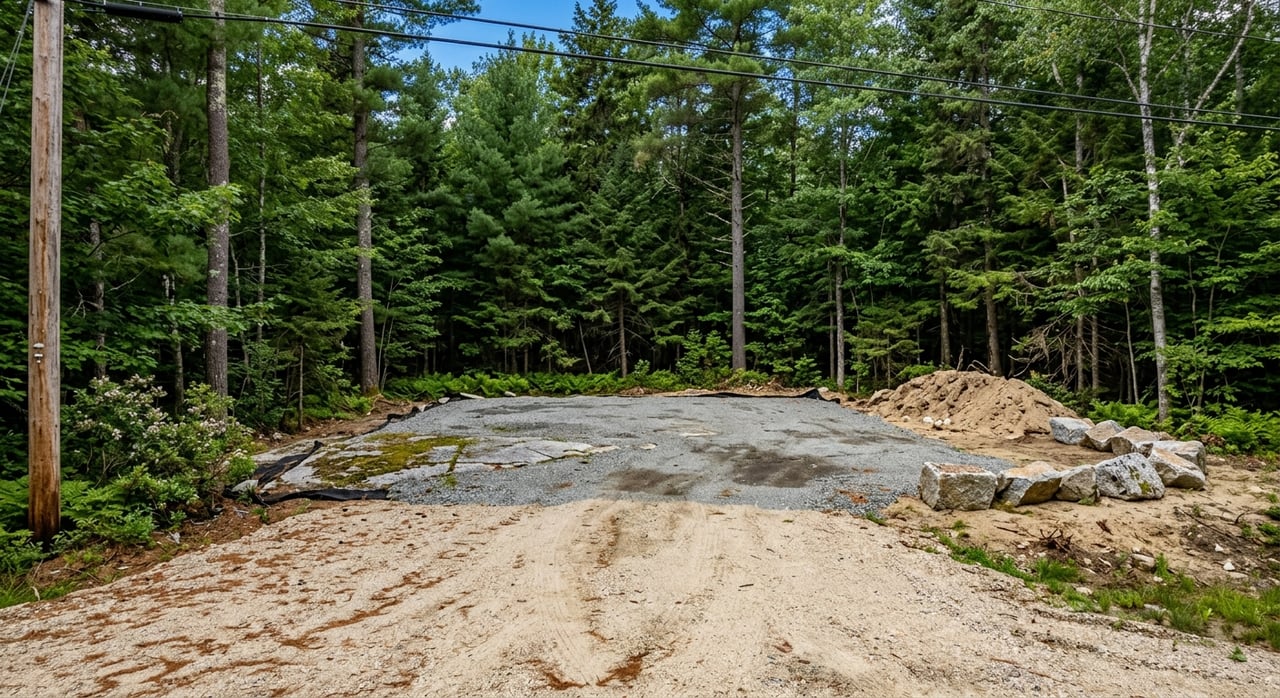
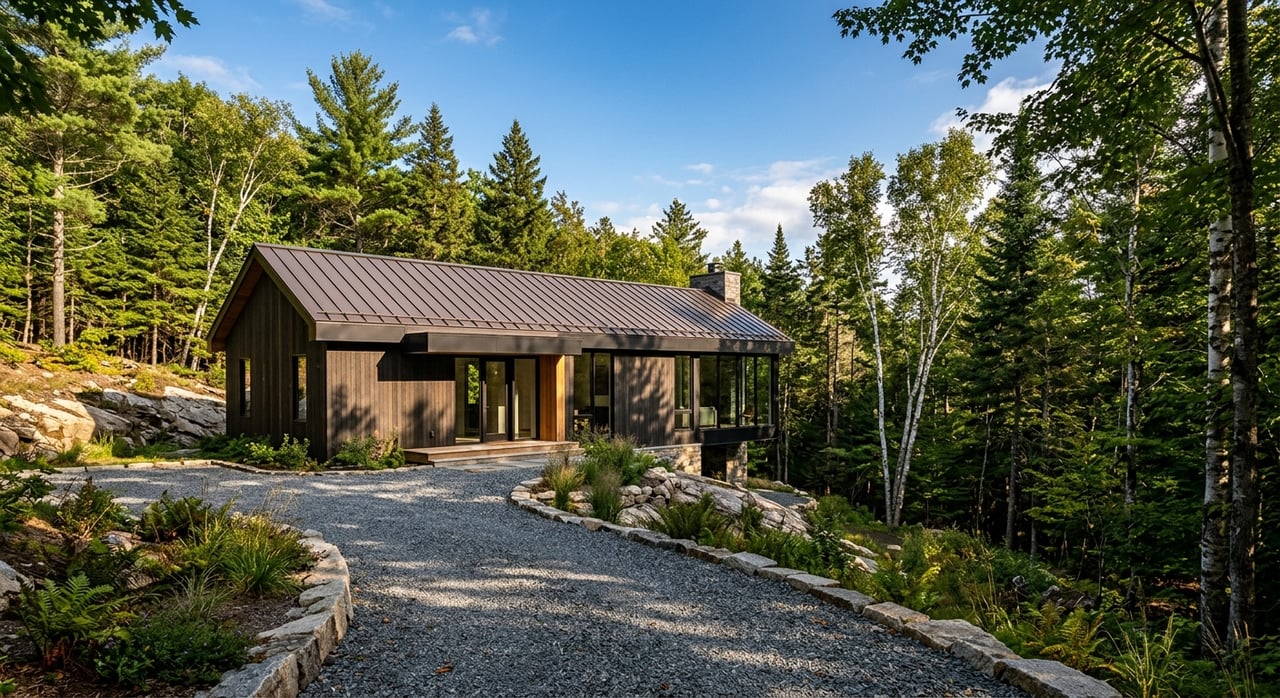
If your priority is privacy, land, and a quieter landscape, the inland or hillside side of Rockport may feel more natural. The best official comparison point is the Rural District. It is designed to preserve lakes, water quality, wildlife habitat, scenic vistas, steep slopes, and ridge lines.
That purpose shapes the experience of living there. Instead of a walk-to-everything pattern, you are more likely to get a lower-density setting where the landscape plays a larger role in daily life. For many buyers, especially relocators and second-home shoppers, that can be a major draw.
What the Hillside Feels Like
Rockport’s open-space context supports this quieter side of town. The 2025 comprehensive plan says Rockport has about 544 acres of open space, much of it permanently conserved by land trusts. The same plan notes that trails are mainly cared for by land trusts and that residents want better trail connectivity.
Cramer Park offers a good example of the inland experience. Its wooded trails along the Goose River give you a glimpse of the nature-oriented amenities that help define this side of town. If you are looking for scenery, breathing room, and a home that feels more removed from the center of activity, this pattern may fit you better.
Space, Access, and Daily Routine
The rural zoning standards are much larger than in the harbor and village districts. The zoning table shows minimum lot sizes of 130,000 square feet in the Rural District, regardless of sewer, compared with much smaller minimums in Harbor Village and Village areas. That gap reinforces the difference between compact and low-density living.
In practical terms, hillside and rural living is likely to be more car-dependent than harbor living. That is not a formal town label, but it follows from how Rockport’s civic, park, and marine amenities cluster around the harbor and village core while rural areas are intentionally spread out. If you prefer a quieter drive-home feel over a walkable errand routine, that tradeoff may be well worth it.
Key Tradeoffs to Weigh
Choosing between harbor and hillside often comes down to the kind of rhythm you want your home to support. Neither is better across the board. It is about fit.
Here are a few practical ways to compare the two:
- Harbor area: better access to boating, parks, restaurants, civic spaces, and seasonal activity
- Harbor area: more compact setting with a stronger village feel
- Hillside or rural area: more land, privacy, and separation from the busiest parts of town
- Hillside or rural area: stronger connection to protected natural features and scenic landscape
- Harbor area: more likely to support a walkable routine
- Hillside or rural area: more likely to require regular driving for errands and activities
For some buyers, the answer is obvious. For others, it helps to think through a normal Tuesday in each setting. Where would you go for coffee, a walk, a launch, or an evening out? How much do you want your surroundings to feel social versus tucked away?
Due Diligence for Harbor Properties
Lifestyle is only part of the decision. The property itself matters, and in Rockport, location can shape what you need to review before you buy.
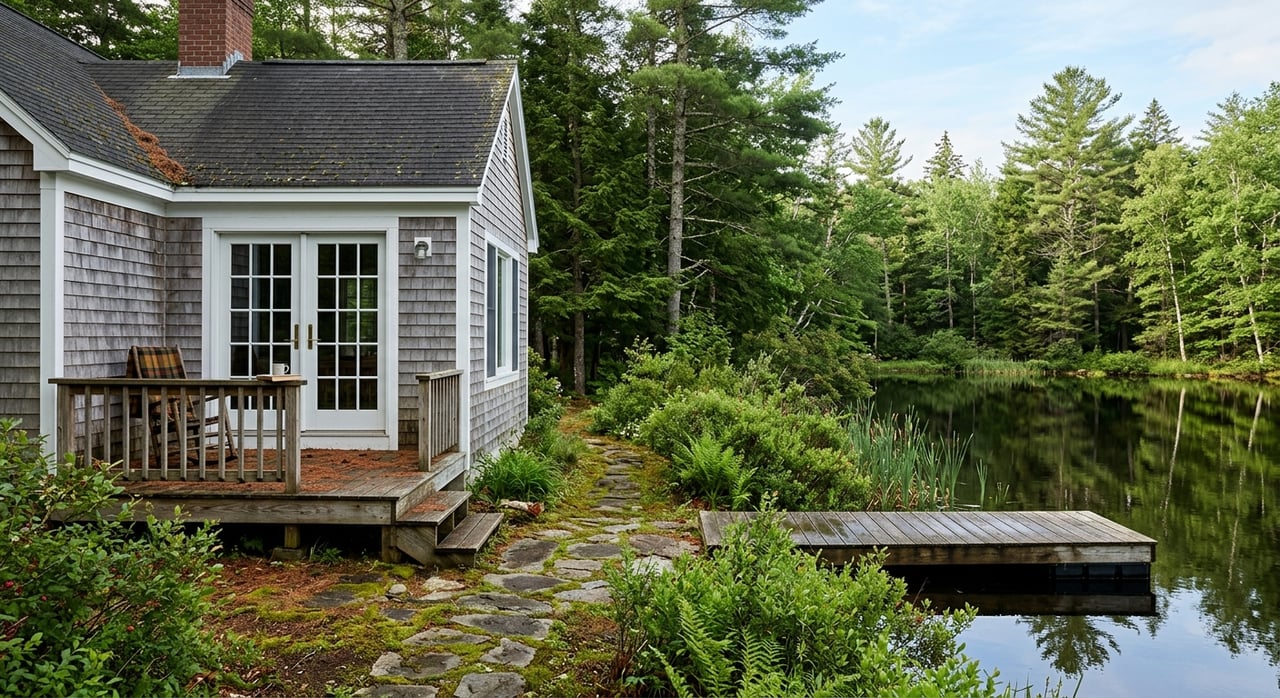
For harbor-area homes, storm exposure and shoreline regulation deserve close attention. Rockport’s harbor plan says the harbor has flooded during major storm events in recent years, and the town is working on resiliency planning in response to sea-level rise and stronger storms. If a property includes or may involve shoreline structures, town rules matter too. Floats and docks require a shoreland zoning permit, and shoreline-zone work requires pre- and post-work photos.
Boaters should also note a practical detail. The town says the harbor mooring field is currently full, and Rockport does not rent transient moorings. If water access is central to your plans, this is the kind of detail worth checking early.
Due Diligence for Hillside Properties
Inland and hillside homes come with their own checklist. Buyers are often trading proximity for privacy, but that usually means paying closer attention to site conditions.
The town code office requires a plot plan showing property lines, water source, and sewerage disposal system. Driveway entrances may also require either a state or town permit, depending on the road location. On a practical level, access, driveway design, drainage, and wastewater systems are all worth understanding before you commit.
This is one reason local guidance can make a difference. A home with more land can offer real flexibility and beauty, but the details of the site often matter more than buyers expect at first glance.
How Rockport May Evolve
Rockport’s current planning suggests the town will continue balancing compact growth with rural preservation. Its 2025 housing work recommends increasing housing stock, promoting workforce housing, and encouraging cluster-style development to reduce suburban sprawl. At the same time, it notes that high sewer user rates can make development harder to pencil out.
For buyers, that means the basic contrast between the harbor core and the rural landscape is likely to remain important. Rockport appears committed to preserving the character of both. If you are buying for the long term, that planning framework can help you understand not just what the town feels like today, but what it is trying to protect going forward.
Which Rockport Setting Fits You Best
If you want boating access, public spaces, restaurants within walking distance, and a more event-oriented routine, the harbor area may be your strongest match. If you want land, scenic surroundings, and a quieter day-to-day pace, hillside or rural Rockport may feel more like home.
The right answer often comes down to how you want to live, not just what style of house you want to buy. In our experience, the best decisions happen when you compare both the property and the pattern of life around it. If you are weighing the harbor against the hillside in Rockport, The Uhll Group at Legacy Properties Sotheby's International Realty can help you sort through the details and find the fit that feels right.
FAQs
What is the difference between harbor and hillside living in Rockport, Maine?
- Harbor living in Rockport generally offers better access to boating, parks, restaurants, and community activity, while hillside or rural living usually offers more privacy, land, and a quieter setting.
What is Rockport Harbor like for daily life?
- Rockport Harbor is a working waterfront and recreation hub with dockage, a launch ramp, nearby restaurants, parks, and seasonal community uses such as sailing, fishing, concerts, and events.
What is the Rural District in Rockport, Maine?
- Rockport’s Rural District is an official zoning area intended to preserve natural resources, wildlife habitat, scenic vistas, steep slopes, ridge lines, and water quality.
Are rural parts of Rockport more car-dependent?
- In general, yes. Because many civic, park, and marine amenities are concentrated near the harbor and village core, inland and rural areas are likely to require more driving for daily errands and activities.
What should buyers check before buying a harbor property in Rockport?
- Buyers should review storm exposure, flooding history, shoreline regulations, and any permit requirements related to docks, floats, or work in the shoreland zone.
What should buyers check before buying a hillside home in Rockport?
- Buyers should look closely at access, driveway permits, drainage, water source, wastewater systems, and the site details shown on the required plot plan.
Are homes in Rockport mostly single-family?
- Yes. Rockport’s 2025 housing data reported that 89% of owner-occupied units were single-family homes.
How can you decide between Rockport Harbor and a hillside home?
- A good way to decide is to compare your preferred daily routine. If you want a walkable, maritime setting, the harbor may fit better. If you want space, scenery, and privacy, a hillside or rural property may be the stronger match.