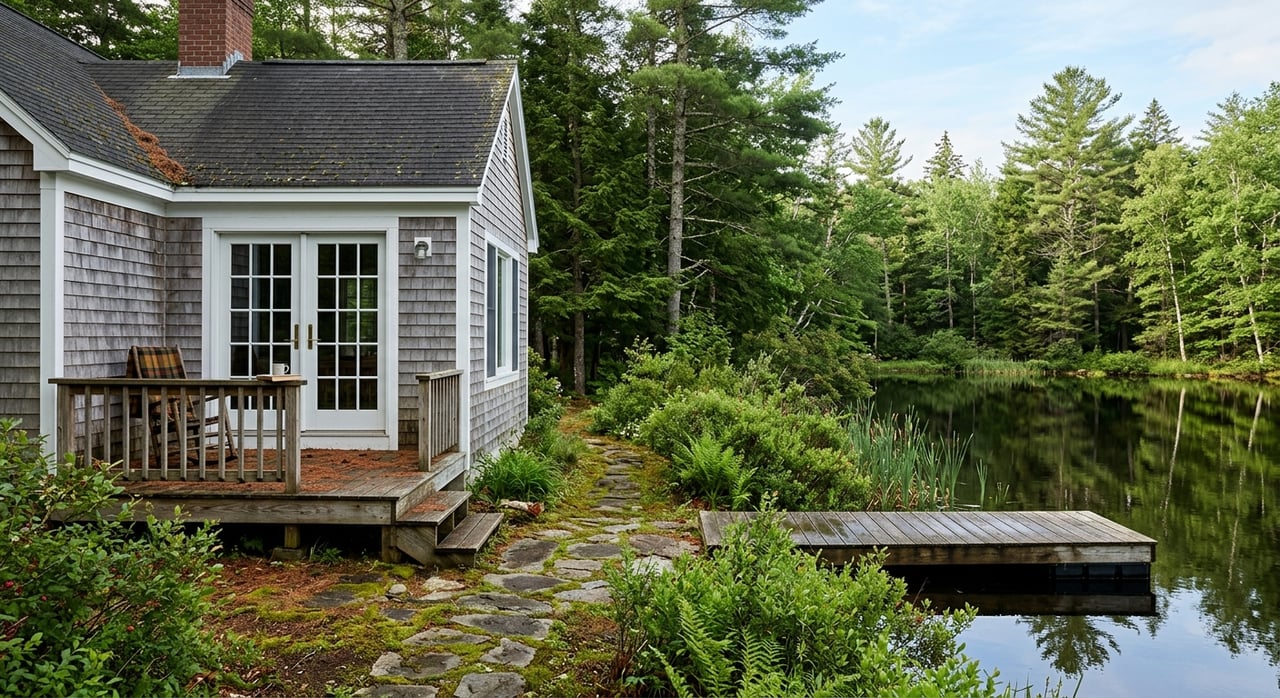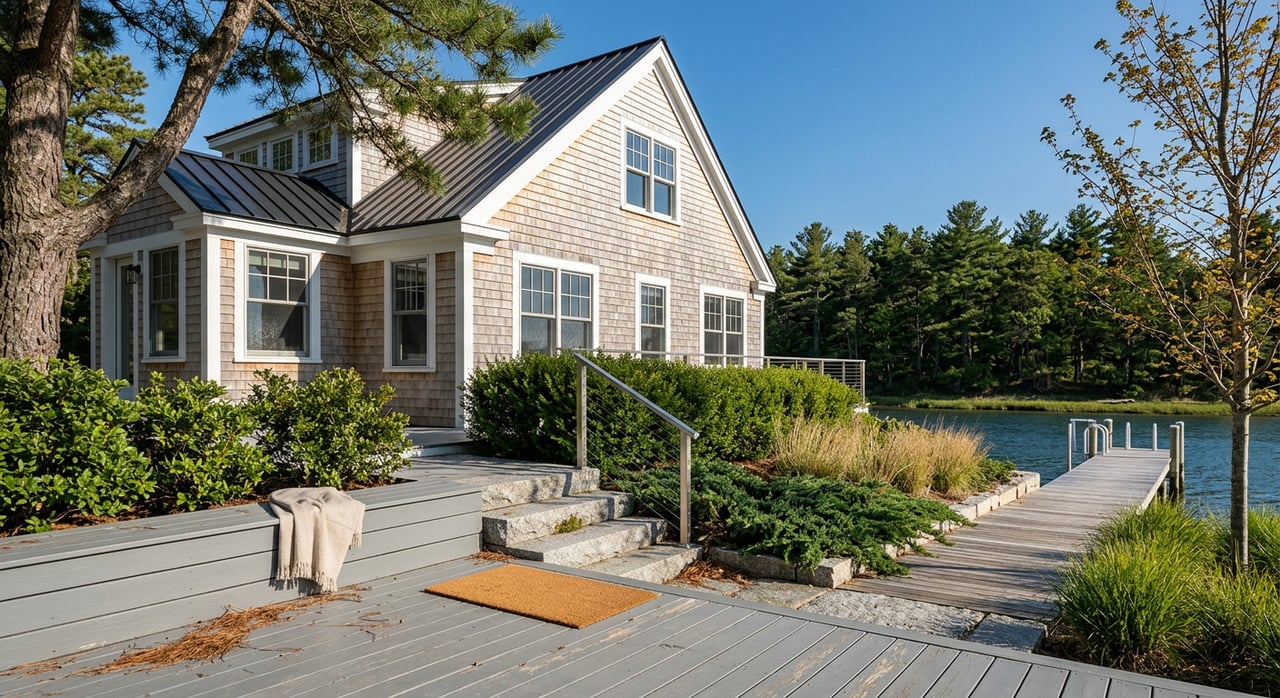
Selling a coastal home in Camden can feel different than selling a typical in‑town property. Waterfront features, shoreland rules, and buyer expectations add moving parts that you want to handle early. If you plan ahead, you can protect your price, lower stress, and move from offer to closing without surprises. This guide walks you through the exact documents, prep steps, and timing to get your Camden waterfront or water‑view property ready. Let’s dive in.
What buyers and lenders expect
Maine property disclosure basics
Maine requires sellers to provide a written property disclosure that covers systems and known defects. The obligation applies even if you sell “as is.” Review Maine’s residential property disclosure law and gather service dates and receipts for heating, plumbing, septic, and any remediation. Buyers respond well to organized, transparent files.
Shoreland septic inspection rule
If your property is in a shoreland zone, state law requires a subsurface wastewater system inspection in connection with the sale. A seller‑provided report that is less than three years old can satisfy this requirement. If an inspection shows a malfunctioning system, repairs or replacement must occur within a set timeline after transfer. Read the shoreland septic inspection rule (LD 216) and plan your timing with your agent so this step does not slow negotiations.
Shoreland zoning and permits
Shoreline work often needs permits. Setbacks, vegetation protection, lot coverage, and activities like bulkhead or dock repairs are regulated. The Maine DEP shoreland zoning handbook outlines common triggers. Before you promise changes in your listing copy, check what is allowed and what requires review. A quick call with Camden’s Code Enforcement Officer can prevent a last‑minute scramble.
Docks, moorings, and Camden Harbor rules
Camden’s Harbor & Waterways rules govern docks, floats, ramps, and moorings, and the Harbormaster assigns mooring spaces. The town has also paused approvals for new private piers while it updates policy. Do not assume you can add a new pier or extend an existing one. Confirm any existing dock permits and mooring documentation, and verify details with the Town and the Harbormaster on the Town of Camden website. If you advertise a private pier, include the permit history in your document packet.
Flood zones, FEMA maps, and insurance
If your home is in a FEMA Special Flood Hazard Area, a buyer’s lender will usually require flood insurance. Elevation Certificates and FEMA map data can affect both the requirement and premiums. Pull your parcel’s map panel at the FEMA Flood Map Service Center. If you already have an Elevation Certificate or a current flood policy, add those to your listing packet to reduce delays.
Documents to gather before you list
Create a clean, digital folder buyers can review upfront. Include:
- Completed Maine Property Disclosure Statement and receipts for heating, chimney, insulation, appliances, and any repairs or remediation.
- Septic inspection report if in the shoreland zone. If your report is less than three years old, it can satisfy the buyer requirement under LD 216.
- Deed, any survey or boundary plan, and a plot plan showing the home and any land‑attached shoreline structures.
- Building permits and approvals for past improvements, including the pier, float, ramp, seawall, or bulkhead. Disclose any unpermitted work and discuss strategy with your agent.
- Mooring or slip documents and any Harbormaster correspondence.
- Flood documents: a FIRM panel excerpt, Elevation Certificate if available, and current flood‑insurance declarations.
- Septic and well records: Last pump and service dates, and any local plumbing or health reports.
- Warranties and contractor receipts for roof, HVAC, docks, lifts, or electrical work.
Pre‑listing prep for coastal properties
Interior priorities
- Moisture and air quality. Have an inspector or HVAC pro check humidity, ventilation, and any salt‑air corrosion. Clean any visible mildew and fix water‑stained finishes before photos.
- Freshen finishes. Neutral paint, clean trim, and uncluttered rooms keep focus on the view. Remove personal items that block sightlines to windows and doors.
- Systems and comfort. Service the heating system and place recent service records in your disclosure packet. Portable dehumidifiers or air‑quality notes in your marketing can reassure buyers.
Exterior and shoreline
- Dock and float tune‑up. Inspect pilings, cleats, ladders, rails, and electrical. Replace rotted boards, tighten hardware, and add a life ring so the dock looks safe and cared for. Include any permits in your documents.
- Seawall, bulkhead, or riprap. Light vegetation cleanup and minor stone or grout touch‑ups improve first impressions. Check permit needs before any major work.
- Landscaping and view framing. Prune to reveal the view without clearing protected buffers. Avoid large cuts that could violate shoreland rules.
- Powerwash and details. Remove salt residue, clean windows and gutters, and replace corroded hardware. Use gentle, professional cleaning for historic siding.
Stage for the water
- Aim everything at the view. Angle seating and beds toward windows. Keep window coverings minimal and patios or decks tidy.
- Keep waterfront gear neat. Store mismatched dinghies, fuel cans, and extra tackle. A clean, safety‑equipped dock photographs well.
- Time photos by tide and light. Schedule photos during a tide that flatters your shoreline and during soft morning or late‑day light. Use NOAA Tides & Currents to pick the best time.
Marketing that fits Camden buyers
Waterfront buyers want context. Your photos should show the relationship between the home, shoreline, and the harbor beyond.
- Hire a photographer experienced with waterfront homes. Ask for samples that frame interiors to the view and capture shoreline context with aerials.
- Use a certified drone operator. An FAA Part 107 pilot manages airspace and safety while delivering the aerials buyers expect.
- Mix wide and intimate shots. Combine aerial overviews with close‑up dock images, terrace vignettes, and window‑framed views.
- Confirm tide and harbor activity. Check tides and ask the Harbormaster about events that could affect scheduling.
Timeline to hit the market confidently
- 6 to 8 weeks out
- Gather deed, survey, permits, mooring records, and contractor receipts.
- Order a septic inspection if you are in the shoreland zone and do not have a report from the last three years.
- Confirm shoreland zoning status with Camden’s Code Enforcement Office.
- 4 to 6 weeks out
- Complete priority repairs: dock boards, safety items, roof patches, peeling paint, corroded hardware.
- Book a waterfront photographer and a drone operator. Verify drone credentials.
- Schedule any septic or well repairs if needed.
- 1 to 2 weeks out
- Stage interiors and exteriors, then deep clean.
- Finalize disclosure forms and compile a digital packet: property disclosure, septic report, survey, permits, mooring papers, and flood documents.
- At listing and through showings
- Keep the dock and shoreline tidy and safe.
- If mooring or slip access is a selling point, note it in the listing and include Harbormaster contact info in your packet.
Avoid these closing pitfalls
- Unpermitted shoreline structures. Missing or unclear permits for docks, bulkheads, or boathouses can derail a closing. Verify and disclose early.
- Mooring rights confusion. Mooring assignments and slip rentals are managed by the town and marinas. Provide documentation and direct buyers to the Harbormaster for clarity.
- Flood‑zone surprises. Late discovery of a Special Flood Hazard Area can trigger insurance and lender steps. Share your FIRM panel and any Elevation Certificate early.
- Salt‑exposure wear. Rotted decking, corroded fasteners, and HVAC corrosion are common at the coast. Handle small repairs and have receipts ready to support your price.
- Septic timing. In the shoreland zone, inspection and repair timelines apply. A current seller‑provided report smooths negotiations.
Pricing and presentation strategy
A clean, well‑documented waterfront listing attracts the most qualified buyers and reduces renegotiation risk. You want to price with confidence and remove question marks that invite discounts.
- Lead with documents. Put your disclosure, septic report, permits, survey, and flood info in a single digital folder. Buyers and lenders move faster when they have what they need.
- Emphasize care and safety. Call out recent maintenance on docks, ladders, rails, and shoreline stabilization. Safety reads as value.
- Tell the lifestyle story. Pair clear facts with inviting visuals. Show sunrises over the harbor, quiet evenings on the deck, and easy access to town.
How we help you prepare
You do not have to navigate septic rules, dock permits, flood questions, and drone shoots alone. Our family team lives and works here, and we bring hands‑on construction savvy plus high‑touch marketing to every listing.
- Pre‑listing walkthrough to flag repairs with real cost and ROI context.
- Contractor introductions for quick tune‑ups and safety fixes.
- Staging guidance that frames your best views.
- Professional photography and certified drone imagery.
- Organized disclosure and document prep to reduce lender and buyer delays.
Ready to talk about your timeline and the right plan for your property? Reach out to The Uhll Group at Legacy Properties Sotheby’s International Realty for a friendly, no‑pressure consult.
FAQs
Do I need a septic inspection to sell a Camden shoreland home?
- Yes. If your property is in a shoreland zone, state law requires a subsurface wastewater system inspection in connection with the transfer, and a seller‑provided report less than three years old can satisfy the requirement.
What documents should I provide for my dock or mooring?
- Include permits and approvals for the pier, ramp, or float; any maintenance records; mooring registrations or slip agreements; and correspondence with the Harbormaster so buyers can verify rights.
How do flood zones affect my sale and closing timeline?
- If your home is in a FEMA Special Flood Hazard Area, a buyer’s lender will likely require flood insurance and may request an Elevation Certificate, which can add time unless you provide documents up front.
Can I build a new pier before listing my Camden home?
- Do not assume approvals. Camden has paused new private pier approvals while policy is updated, so verify what is allowed and consult the Harbormaster before planning or promising new structures.
When is the best time to photograph a waterfront listing in Camden?
- Aim for soft morning or late‑day light and schedule around a tide level that flatters your shoreline; check predicted tides with NOAA and coordinate with your photographer for weather and wind.